

Funko pop figures are more than collectibles; they are a visual record of modern pop culture. From blockbuster films and streaming series to viral moments and nostalgic throwbacks, Funko Pops capture what people care about at specific moments in time. For collectors, this makes each figure a small cultural artifact that reflects trends, tastes, and shared experiences.
As entertainment evolves, so does the Funko Pop lineup. New releases often mirror shifts in media consumption, fan behavior, and cultural conversations, making collecting an ongoing reflection of the world around us.
Entertainment Franchises and Cultural Momentum
One of the strongest drivers behind funko pop figures is the entertainment industry. Major movie releases, popular television series, and gaming launches often result in coordinated Funko Pop collections. When a franchise gains momentum, demand for related figures rises quickly as fans seek physical representations of their favorite characters.
Streaming platforms have accelerated this cycle. Shows that gain sudden popularity often lead to rapid Funko releases, reflecting how quickly fan interest can form and spread. In this way, Funko Pops track not only long-term franchises but also short-term cultural moments.
Nostalgia and the Power of Memory
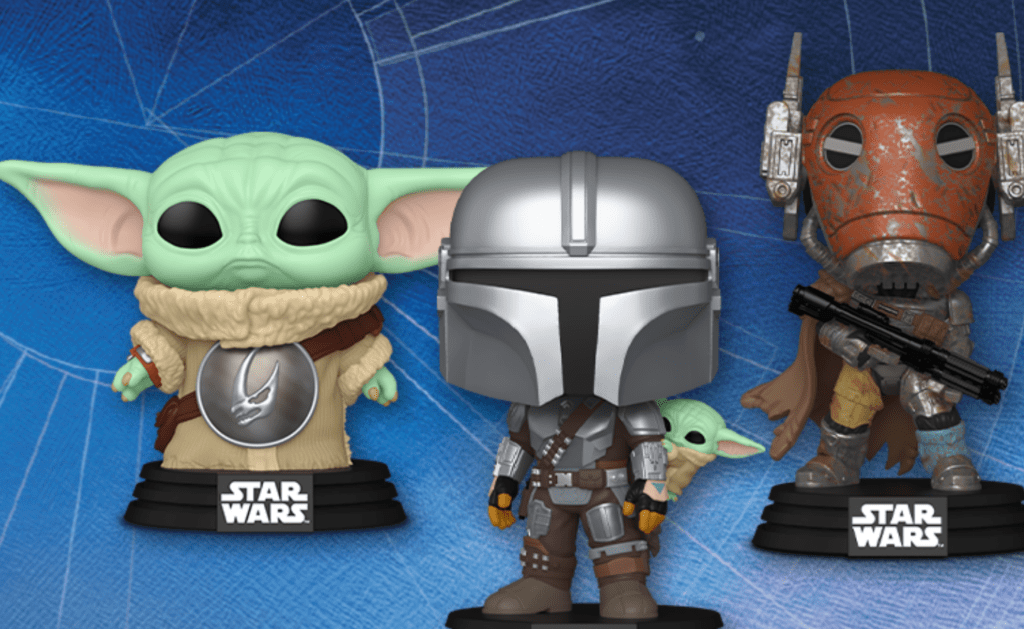
Nostalgia plays a major role in the appeal of funko pop figures. Many collectors are drawn to characters from childhood cartoons, classic movies, or iconic games. These figures serve as emotional connections to earlier periods of life, making them especially meaningful.
As generations grow older, nostalgic franchises are revived for new audiences, creating demand from both long-time fans and newcomers. Funko Pops bridge this gap by offering designs that feel familiar yet modern, allowing nostalgia to coexist with contemporary trends.
Representation and Expanding Inclusivity
Over time, funko pop figures have increasingly reflected broader representation across entertainment and culture. Characters from diverse backgrounds, international franchises, and varied genres now appear more frequently in Funko’s lineup.
This expansion mirrors changing audience expectations and global fandoms. Collectors appreciate seeing their interests and identities represented, which strengthens emotional connection to the figures. Pop culture is no longer limited to a single region or medium, and Funko Pops reflect this global perspective.
Fan Communities and Social Influence
Social media and online communities strongly influence which funko pop figures gain popularity. Fans share collections, unboxings, display ideas, and wish lists across platforms, creating shared excitement around specific releases.
This community-driven enthusiasm can elevate certain figures beyond their original context. A character that resonates deeply with fans may become highly sought after due to collective appreciation rather than mainstream popularity alone. Funko Pops often gain cultural significance through these shared fan experiences.
Limited Releases and Cultural Moments
Limited edition funko pop figures often commemorate specific cultural moments such as anniversaries, conventions, or major franchise milestones. These releases act as time capsules, marking important events within fandoms and entertainment history.
Collectors value these figures not only for their rarity but also for what they represent. Owning a limited release can feel like owning a piece of a shared cultural experience, reinforcing the emotional aspect of collecting.
How Trends Influence Long-Term Collecting
Pop culture trends are constantly changing, and funko pop figures evolve alongside them. Some figures remain relevant for decades due to iconic status, while others reflect specific eras or trends that may fade over time.
For collectors, this dynamic nature adds depth to the hobby. A collection can tell a story about personal interests as well as broader cultural shifts. Looking back at older figures often reveals how tastes and media landscapes have changed.
Funko Pops as Cultural Snapshots
Each funko pop figure represents a moment where design, fandom, and culture intersect. Whether tied to a global phenomenon or a niche interest, these figures capture what mattered to fans at a particular time.
For many collectors, this is what makes the hobby meaningful. Funko Pops are not just decorative objects; they are snapshots of shared enthusiasm, creativity, and cultural identity.
Final Thoughts on Funko and Pop Culture
Funko pop figures continue to thrive because they evolve with culture rather than remaining static. By responding to entertainment trends, fan communities, and nostalgic demand, they remain relevant in a fast-changing world.
Collecting Funko Pops becomes a way to document personal interests and cultural moments simultaneously. Over time, a collection grows into a visual timeline of pop culture itself — one figure at a time.