
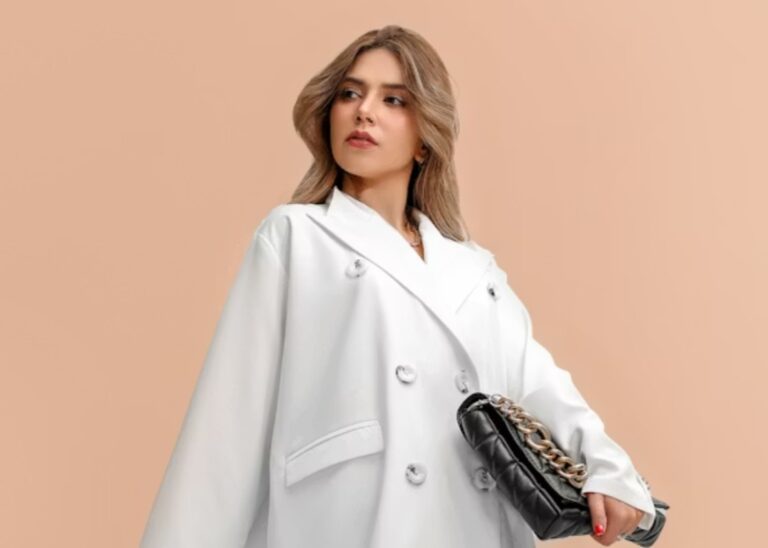
The subtle power of layering in modern fashion expression
Layering in fashion is far more than simply stacking garments on top of each other. It is a refined art that blends creativity, structure, and personality into a cohesive visual story. In today’s evolving style landscape, mastering layering techniques can instantly elevate even the simplest outfit into something memorable and striking. The beauty of layering lies in its ability to transform basics into statements, offering depth, dimension, and versatility without requiring an entirely new wardrobe.
At its core, layering is about balance. It requires an understanding of how fabrics interact, how silhouettes align, and how proportions influence the overall look. A lightweight shirt beneath a structured blazer can create a polished aesthetic, while a flowing cardigan over a fitted top introduces softness and movement. Each layer plays a role, contributing to a dynamic composition that feels intentional rather than accidental.
Seasonal transitions often highlight the importance of layering. As temperatures fluctuate, layering becomes both a functional necessity and a stylistic opportunity. A well-layered outfit allows you to adapt effortlessly throughout the day, adding or removing pieces while maintaining visual harmony. This adaptability is what makes layering a cornerstone of modern fashion.
Beyond practicality, layering serves as a medium for self-expression. It allows individuals to experiment with textures, colors, and shapes in ways that a single garment cannot achieve. Through layering, you can communicate mood, confidence, and creativity without uttering a single word. Whether minimalist or bold, subtle or dramatic, layering techniques offer endless possibilities to redefine your personal style.
Playing with textures to create depth and intrigue
One of the most effective ways to master layering is by experimenting with textures. Texture adds a tactile and visual dimension that instantly enriches an outfit. Combining different materials such as cotton, wool, leather, silk, and denim can create a striking contrast that captures attention without appearing overly complicated.
Imagine pairing a soft knit sweater with a crisp cotton shirt underneath. The interplay between the smoothness of cotton and the cozy texture of knit fabric creates a balanced yet engaging look. Similarly, layering a structured leather jacket over a delicate chiffon dress introduces an unexpected contrast that feels both edgy and elegant.
Texture also plays a crucial role in defining the mood of an outfit. Heavier fabrics like wool and tweed evoke warmth and sophistication, making them ideal for colder seasons. On the other hand, lighter materials such as linen and silk convey ease and fluidity, perfect for warmer climates or transitional weather. By thoughtfully mixing textures, you can create outfits that feel rich and intentional.
The key to mastering texture-based layering is moderation. While combining multiple textures can elevate your outfit, overloading it can lead to visual clutter. The goal is to create harmony, allowing each fabric to stand out while contributing to the overall composition. A well-balanced mix of textures ensures that your outfit feels layered yet cohesive.
Additionally, texture can be used to highlight specific areas of an outfit. For example, a textured scarf can draw attention to the neckline, while a structured blazer can emphasize the shoulders. These subtle details enhance the overall impact of your look, making it appear thoughtfully curated.
Understanding proportions for a balanced silhouette
Proportion is one of the most critical aspects of successful layering. Without a clear understanding of how different lengths and shapes interact, even the most stylish pieces can result in an unbalanced outfit. Mastering proportion allows you to create silhouettes that are flattering, dynamic, and visually appealing.
A common layering technique involves combining fitted and loose pieces. For instance, pairing a slim-fitting top with an oversized coat creates contrast that adds dimension without overwhelming the body. Conversely, wearing multiple oversized pieces can result in a bulky appearance, which may detract from the intended aesthetic.
Length also plays a significant role in layering. Varying the lengths of your garments can create a cascading effect that adds depth to your outfit. A longer shirt peeking out from beneath a shorter jacket introduces visual interest, while a mid-length coat layered over a longer dress can create a sophisticated, elongated silhouette.
Understanding your body shape can further enhance your layering techniques. Strategic layering can highlight your best features while providing balance to your overall look. For example, adding a belt over layered pieces can define the waist, creating structure within a multi-layered outfit.
Another important consideration is the distribution of volume. If your upper layers are bulky, it’s often beneficial to keep the lower half more streamlined, and vice versa. This balance ensures that your outfit remains proportionate and visually pleasing.
Ultimately, mastering proportions is about experimenting and observing what works best for you. With practice, you’ll develop an intuitive sense of how to combine different pieces to create a harmonious and stylish ensemble.
Color coordination and contrast in layered styling
Color is a powerful tool in layering, capable of transforming an outfit from ordinary to extraordinary. Thoughtful color coordination can unify multiple layers, while strategic contrast can make each piece stand out. Understanding how to use color effectively is essential for creating impactful layered looks.
Monochromatic layering is one of the simplest yet most sophisticated techniques. By sticking to a single color palette and varying shades, you can create a cohesive and elegant outfit. For example, layering different tones of beige or grey can produce a refined and modern aesthetic that feels effortless.
On the other hand, contrasting colors can add vibrancy and energy to your outfit. Pairing complementary hues, such as blue and orange or green and pink, can create a bold statement. The key is to ensure that the colors complement rather than clash, maintaining a sense of harmony within the overall look.
Neutral colors play a crucial role in layering. They act as a foundation that allows more vibrant pieces to shine. Incorporating neutral layers such as black, white, or beige can help balance brighter elements, preventing the outfit from appearing overwhelming.
Patterns and prints also contribute to color dynamics in layering. Mixing patterns can be a daring yet rewarding approach when done correctly. The secret lies in maintaining a common color theme or varying the scale of patterns to avoid visual chaos.
Accessories can further enhance color coordination in layered outfits. A scarf, hat, or bag in a complementary shade can tie the entire look together, adding a finishing touch that feels intentional and polished.
By mastering color coordination and contrast, you can elevate your layering techniques, creating outfits that are not only stylish but also visually compelling.
Layering essentials that redefine everyday style
Every wardrobe benefits from a selection of versatile layering essentials. These foundational pieces serve as the building blocks for countless outfits, making it easier to experiment with different combinations while maintaining a cohesive style.
Classic items such as button-down shirts, lightweight sweaters, tailored blazers, and versatile jackets are indispensable for layering. These pieces can be mixed and matched effortlessly, allowing you to create a variety of looks suitable for different occasions.
Outerwear plays a particularly important role in layering. A well-chosen coat or jacket can serve as the focal point of your outfit, adding structure and character. From trench coats to denim jackets, the right outer layer can transform your entire look.
Base layers are equally important. Simple tops, turtlenecks, and fitted tees provide a foundation upon which other pieces can be built. Choosing high-quality base layers ensures comfort and durability, making them reliable staples in your wardrobe.
Accessories also contribute significantly to layered styling. Scarves, belts, and jewelry can add depth and personality to your outfit, enhancing the overall aesthetic. These smaller elements often make a big difference, elevating your look with minimal effort.
Footwear should not be overlooked in layered outfits. Shoes can either complement or contrast the layers above, influencing the overall vibe. Whether opting for sleek boots, casual sneakers, or elegant heels, the right choice can complete your look seamlessly.
Building a wardrobe with versatile layering essentials allows you to explore your creativity while maintaining practicality. These pieces provide the flexibility needed to adapt to different styles, moods, and seasons.
Elevating confidence through thoughtful styling techniques
Layering is not just about clothing; it is about confidence. The way you combine pieces and present yourself reflects your personal style and attitude. Thoughtful layering techniques can enhance your confidence, making you feel empowered and self-assured.
When you wear a well-layered outfit, it often conveys a sense of effort and intention. This perception can influence how others see you and, more importantly, how you see yourself. Confidence stems from feeling comfortable and authentic in what you wear, and layering provides the tools to achieve that.
Experimentation is a key part of building confidence in layering. Trying new combinations, exploring different textures, and stepping outside your comfort zone can lead to exciting discoveries. Each successful outfit reinforces your understanding of what works for you, boosting your confidence over time.
Attention to detail is another factor that contributes to confident styling. Small adjustments, such as rolling up sleeves, adjusting hemlines, or adding a statement accessory, can make a significant difference. These details show that your outfit is thoughtfully curated, enhancing its overall impact.
Layering also allows you to adapt your style to different environments and occasions. Whether dressing for a casual outing, a professional setting, or a special event, layering provides the versatility needed to create appropriate and stylish looks.
Ultimately, mastering the art of layering is a journey. It requires practice, creativity, and a willingness to experiment. As you refine your techniques, you’ll discover that layering is not just a fashion skill but a form of self-expression that elevates both your style and your confidence.