

Understanding Green Man Gaming and Its Role in the Digital Gaming Marketplace
Green Man Gaming has steadily grown from a modest online game retailer to one of the most influential digital storefronts in the gaming industry. In a market dominated by household names like Steam, Epic Games Store, and Origin, Green Man Gaming carved out a niche by offering competitive pricing, frequent promotions, and a user-centric platform that appeals to gamers around the world. At its core, Green Man Gaming functions as an authorized digital game retailer, meaning that the keys and codes it sells are legitimately sourced and supported by developers and publishers. Over the years, it has built partnerships with major gaming studios and distribution networks, allowing it to offer a wide catalog that spans AAA blockbusters, indie gems, and everything in between. For many gamers, Green Man Gaming represents an alternative to mainstream stores — an option worth considering when looking to stretch a gaming budget further. Because digital gaming has become increasingly price-competitive, understanding how Green Man Gaming’s pricing works and how to compare it with similar platforms can make a significant difference in both savings and satisfaction.
Pricing in digital gaming is often opaque to the average consumer. Unlike physical goods, where retail price tags are clearly visible in stores, digital game prices fluctuate based on region, time of year, supply and demand, publishing agreements, and promotional strategies. Green Man Gaming’s approach to pricing is rooted in a deep understanding of this fluid market. The platform frequently publishes base prices for games, but these are rarely the final word on what a buyer will pay. Dynamic pricing practices mean that the cost of a particular game may change from day to day or even hour to hour, influenced by competitive pressure or strategic discounts. Promotional events such as seasonal sales, publisher-sponsored discount periods, and flash deals add complexity to the pricing landscape. While this creates both opportunity and confusion for consumers, it also underscores the importance of price comparison as a deliberate practice rather than a cursory glance at a single storefront.
When customers first encounter Green Man Gaming, they often notice the attractive price tags and promotional banners that dominate the site. However, savvy shoppers quickly realize that a price alone does not tell the entire story. It’s crucial to know how these prices compare with those on other major platforms. For example, a $59.99 game might be listed at that price on Green Man Gaming, but it could be cheaper on another store due to regional pricing differences or a concurrent promotion. Conversely, a title might be more expensive elsewhere, making Green Man Gaming the better choice. The art of price comparison involves considering both the visible cost and timing — recognizing when a deal is genuinely advantageous and when the savings are superficial or momentary. This nuanced understanding can empower gamers to make more informed purchasing decisions and ultimately enjoy the best possible value for their money.
The Mechanics of Price Comparison and Why It Matters for Gamers
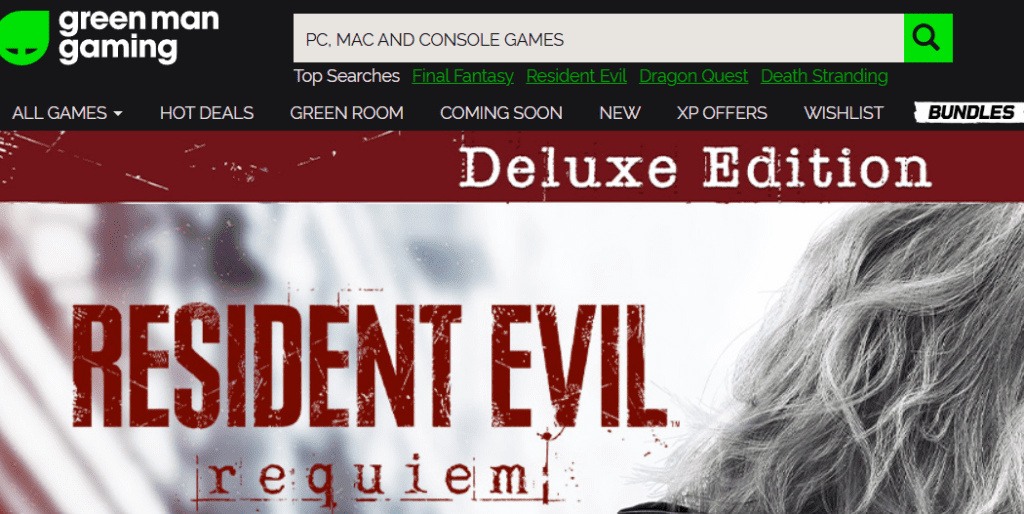
Price comparison in the context of digital game stores is not merely about finding the lowest number on a price tag. It encompasses an understanding of multiple factors that influence what a gamer ultimately pays. These factors include regional pricing policies, varying discount strategies between platforms, currency exchange rates, tax implications, and even the timing of sales events. When a gamer spots a seemingly great deal on Green Man Gaming, the real question should be: is that price better than what I can find elsewhere right now? In an environment where digital game sales can shift within hours, thorough price comparison becomes an essential strategy for any budget-conscious gamer.
One of the main mechanics of price comparison begins with identifying all the platforms that sell a particular game. This includes large digital storefronts like Steam, the Microsoft Store, Sony’s PlayStation Store, and others, as well as third-party marketplaces like Green Man Gaming, Humble Bundle, or Fanatical. While each platform may list the same game, the price can vary widely. These differences might be due to exclusive publisher agreements, regional market adjustments, or marketing strategies designed to lure new customers. Engaging in routine price checks across these platforms allows gamers to see the full picture of what they might expect to pay.
Currency differences also play a significant role. A gamer based in Europe might see a game listed at €49.99 on one platform and £39.99 on another, and simply comparing these numbers without conversion can lead to misleading conclusions. Exchange rates fluctuate, and each platform’s regional pricing can adjust independently. Therefore, true price comparison requires converting prices into a consistent currency and understanding any additional costs such as regional taxes or fees that may apply. Without doing this, a price can appear lower or higher than it truly is, leading to decisions based on incomplete information.
Another important element in price comparison is timing. Major digital storefronts often host seasonal sales such as summer discounts, winter promotions, Black Friday deals, and publisher-specific events. These sales can dramatically reduce prices for a limited period, making it critical for gamers to track when these events occur. Green Man Gaming, like other stores, participates in these broader market trends, but its sales windows may not align perfectly with others. Price comparison tools and vigilant monitoring can help gamers catch the moment when a title hits its lowest point across the market. Understanding the life cycle of a game’s price — from full retail down to post-release discounts — can translate into significant savings if a buyer is patient and strategic.
Finally, price comparison is not only about saving money upfront; it is also about enhancing the overall gaming experience. By identifying the best offers, gamers can purchase more titles with the same budget, explore new genres without financial strain, and support their favorite developers by choosing legitimate and reliable platforms. In a market where digital ownership is increasingly complex and tied to specific ecosystems, making smart buying choices ensures that gamers get the most value for every purchase.
Strategies for Spotting the Best Offers on Green Man Gaming and Beyond
To be successful at price comparison, gamers need a toolkit of strategies that go beyond quick glances at price tags. The first strategy is understanding how Green Man Gaming structures its deals. The platform often features several types of promotions, including seasonal sales, publisher-sponsored discounts, loyalty bonuses, and voucher codes. Each of these can interact with the base price in different ways, sometimes leading to cumulative discounts that significantly undercut competitors. Learning when and how these promotions appear can be a game-changer for anyone who regularly purchases digital games.
Seasonal sales are perhaps the most visible form of discounting. Green Man Gaming’s summer and winter sales are known for deep price cuts, often matching or beating other stores. During these periods, both recent releases and older titles see heavy discounts. For price comparison, it’s important to not only check the current sale price on Green Man Gaming but also compare it with the sale prices on other platforms like Steam or Humble Bundle. This can help determine whether a particular deal is truly the best available or just a compelling offer relative to the store’s regular pricing.
Publisher-sponsored discounts are another key factor. Sometimes, game developers and publishers will authorize specific discount levels for partners. When this happens on Green Man Gaming, the price may be lower than on other sites that either do not have the same authorization or choose not to promote it as aggressively. This is where a dedicated price comparison approach can yield unexpected benefits. Instead of assuming that any given platform’s price is the market rate, checking whether a publisher is actively pushing discounts on Green Man Gaming can reveal hidden opportunities.
Loyalty programs and voucher codes also play into pricing strategy. Green Man Gaming has, at times, offered codes that apply additional discounts to eligible purchases. These could be tied to site membership levels, email sign-ups, or promotional campaigns. Being aware of these codes and knowing how to apply them effectively can shave extra dollars off an already discounted price. The challenge is that these codes may be time-limited or tied to specific conditions, meaning that without careful tracking, a gamer might miss out on savings.
Third-party price comparison tools and browser extensions are invaluable in this process. These tools automatically scan multiple storefronts and present users with a consolidated view of current prices. For example, some extensions can show the lowest price for a game across hundreds of digital marketplaces in real time. This reduces the need to manually check each store and helps gamers make decisions faster. Such tools often include historical pricing data, allowing buyers to see whether the current price represents a genuine discount or simply a nominal decrease from the list price.
Understanding release window pricing is another powerful strategy. Newly released games often debut at a high price point across all platforms. However, the price can begin to fall shortly after launch as part of standard market behavior. Some platforms may discount faster than others, especially if they are trying to attract a larger user base. In these cases, price comparison tells a gamer whether it’s worth holding off on a purchase for a week or two to catch a better deal.
Finally, gamers should consider region-specific pricing variations. Some platforms price games differently in various geographic markets, which can lead to significant price discrepancies. While gamers must always comply with terms of service and legal restrictions, being aware of how regional pricing works can help inform decisions and prevent overpaying relative to global market trends. Armed with these strategies, gamers can approach digital purchases with confidence, knowing they are securing the best possible deals on Green Man Gaming and other marketplaces.
Tools and Resources That Elevate Your Price Comparison Game
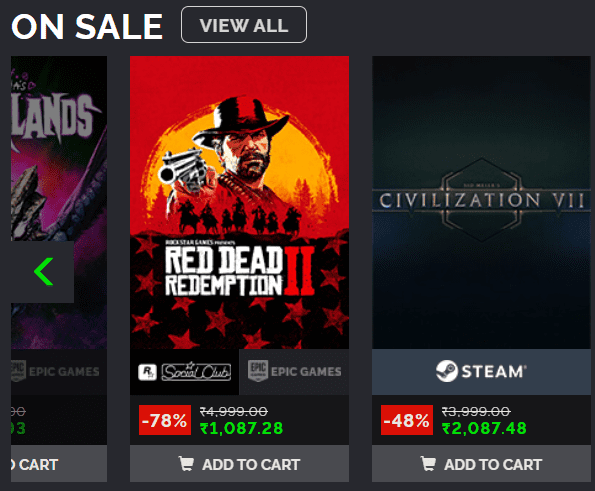
In the world of digital game pricing, tools and resources that automate comparison tasks are game-changers. Manual price comparison is time-consuming and prone to error, especially when prices shift frequently and across multiple platforms. Fortunately, a new generation of online services, browser extensions, and community-driven resources exist to help gamers navigate this complex environment with ease. These tools bring transparency to an otherwise murky marketplace and help ensure gamers always see the best available offers.
One category of tools focuses on price tracking across multiple storefronts. Websites dedicated to aggregating digital game prices compile data from Steam, Green Man Gaming, Humble Bundle, Fanatical, Epic Games Store, and more. These aggregators allow users to search for a game and instantly see a list of current prices on each platform, often including historical pricing charts that show how the price has changed over time. This historical context is particularly useful in determining whether a sale price is genuinely low or just marginally discounted relative to recent trends. By understanding a game’s price trajectory, buyers can decide whether to purchase immediately or wait for a potentially steeper discount.
Browser extensions have become another essential resource. Extensions integrate seamlessly with users’ web browsers, automatically displaying price comparisons as gamers browse Green Man Gaming or other stores. Instead of copying game titles into a separate price aggregator, the extension overlays price information directly on the store page. This saves time and reduces friction in the decision-making process. Some extensions also offer alerts when prices drop to a predetermined threshold or when a game hits its lowest price of the year. These alerts help gamers act quickly during short-lived sales.
Community forums and social media groups also play a role in price discovery. Enthusiastic gaming communities on platforms like Reddit, Discord, and Facebook often share noteworthy deals, coupon codes, and pricing insights. These user-driven channels can provide tips on hidden savings, regional pricing quirks, or upcoming sales that haven’t yet been widely publicized. While community information should always be verified for accuracy, it can be a source of early intelligence that gives gamers an edge in spotting the best offers.
Newsletters and email alerts from Green Man Gaming and other retailers are another resource. Signing up for official communications ensures that users receive information about upcoming sales and exclusive promotions directly from the source. While this doesn’t replace broader price comparison efforts, it ensures that gamers won’t miss store-specific deals that could be valuable when compared with the wider market. Combined with third-party tools and community insights, newsletters form part of a holistic approach to price monitoring.
Finally, understanding the terms and restrictions associated with each storefront’s pricing policies is essential. Some deals may include caveats such as region locks, platform exclusivity, or requirements to use a specific client for redemption. Tools that clarify these conditions help ensure that gamers aren’t just finding the lowest price, but the right price for their needs. When tools and resources are combined effectively, gamers can approach digital purchases with confidence, armed with comprehensive data that ensures the best possible value.
Maximizing Value: Making the Most of Green Man Gaming Price Comparison
Price comparison is more than a tactical exercise; it’s a mindset that elevates the entire experience of digital game purchasing. When gamers consistently compare prices across Green Man Gaming and other stores, they not only save money but also gain deeper insights into market dynamics that inform smarter buying behavior in the long term. This mindset transforms sporadic bargain hunting into a systematic approach that unlocks greater value and satisfaction from every purchase.
One of the biggest benefits of this approach is the ability to prioritize purchases. When budgets are limited, knowing which games are available at genuinely low prices allows gamers to allocate funds to titles they care about most. Instead of impulsively buying games at full price or accepting the first discount seen, price comparison empowers intentional choice. Gamers can decide whether a game is worth buying now or whether waiting for a better offer would be more prudent. Over time, this disciplined approach to purchasing can result in a significantly larger and more varied game library for the same amount of money spent.
Beyond saving money, consistent price comparison fosters greater awareness of industry trends. Gamers begin to notice patterns in how publishers price their games, how different storefronts discount titles, and how demand influences pricing during key sale periods. This awareness can be valuable not just for buying games but for understanding the broader economics of the digital marketplace. For example, recognizing that certain genres or franchises rarely see deep discounts may influence a gamer’s decision to purchase earlier or to explore alternative titles in the meantime.
Another advantage of price comparison is reduced buyer’s remorse. There’s nothing more disappointing than purchasing a game only to see it go on sale for much less days later. By systematically comparing prices before buying, gamers greatly reduce the likelihood of this regret. Knowing that they have found the best current offer provides peace of mind and enhances enjoyment of the purchased game. In this sense, price comparison contributes to a better overall gaming experience.
Finally, the practice of price comparison encourages responsible consumer behavior. In a digital world where storefronts and pricing strategies are constantly evolving, taking an active role in understanding the market protects consumers from overpaying and supports a culture of informed decision-making. Gamers who master price comparison not only benefit themselves but also contribute to a more transparent and competitive ecosystem where stores must continually offer fair prices to attract discerning customers.
In conclusion, Green Man Gaming occupies a valuable position in the digital gaming marketplace, offering competitive prices and frequent promotions. However, its true value becomes clear only when prices are viewed in the context of the broader market. By embracing price comparison as a core practice — leveraging tools, understanding regional and temporal pricing factors, and staying informed about industry trends — gamers can maximize their savings and make smarter purchasing decisions. In a landscape where prices shift rapidly and deals come and go, the ability to spot the best offers is an invaluable skill that enriches both wallets and gaming libraries alike.