
Transforming Document Management In The Digital Age
The way businesses and individuals manage documents has changed dramatically over the past decade. Traditional paper-based workflows are steadily being replaced by digital solutions that improve efficiency, reduce costs, and simplify collaboration. As organizations increasingly embrace remote work and cloud-based operations, the need for reliable document management tools continues to grow.
PDF documents have become the standard format for sharing professional information because they preserve formatting across different devices and platforms. Contracts, reports, proposals, invoices, forms, and agreements are commonly distributed as PDFs to ensure consistency and professionalism.
However, simply viewing PDF files is no longer enough. Modern users need tools that allow them to edit content, complete forms, add signatures, annotate documents, and collaborate with colleagues in real time. Online PDF editors address these needs by providing comprehensive document management capabilities through a web browser.
The convenience of cloud-based platforms has made document editing more accessible than ever. Users can access important files from virtually any device with an internet connection, eliminating the need for specialized software installations and complex technical processes.
Businesses benefit from streamlined workflows, while individuals enjoy greater flexibility when managing personal or professional documents. The ability to edit and sign PDFs online has become an essential part of modern productivity.
As digital transformation continues across industries, online document management tools play a vital role in helping users work more efficiently and securely.
Why Online PDF Editing Is Essential For Modern Workflows
PDF files are widely used because they maintain a consistent appearance regardless of the operating system or device being used. While this stability is beneficial, it can also create challenges when modifications are required.
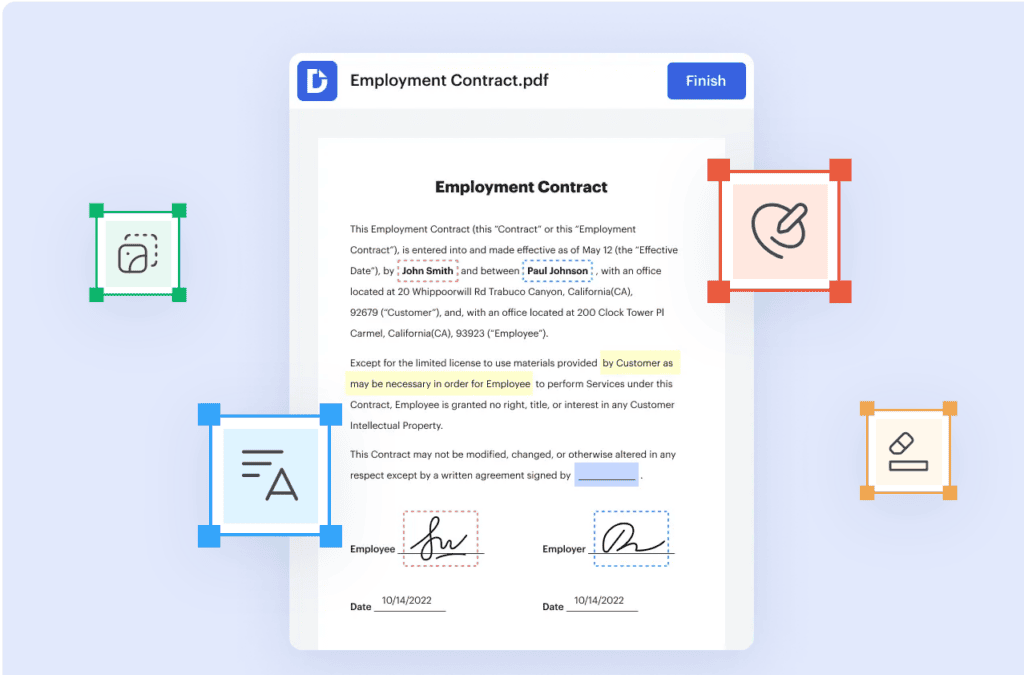
Online PDF editing tools solve this problem by allowing users to make changes directly within PDF documents. Whether updating text, correcting information, inserting images, highlighting content, or reorganizing pages, these tools simplify tasks that once required specialized software.
Businesses frequently need to update contracts, revise reports, and modify forms. Online editing capabilities enable teams to make these changes quickly without converting documents into other formats or recreating them from scratch.
Educational institutions also rely heavily on PDF editing. Teachers can annotate assignments, students can complete digital coursework, and administrators can manage documents more efficiently through cloud-based solutions.
Accessibility is one of the most significant advantages of online PDF editing. Because the tools are browser-based, users can work from home, the office, or while travelling. This flexibility supports modern work environments where mobility and remote collaboration are increasingly important.
The ability to edit documents instantly improves productivity and reduces delays. Users can make necessary changes whenever they are needed, ensuring that information remains accurate and up to date.
As organizations continue to prioritize efficiency and flexibility, online PDF editing remains a valuable solution for managing digital documents.
Simplifying Electronic Signatures And Document Approval
Document signing has traditionally been a time-consuming process involving printing, manual signatures, scanning, and physical delivery. Electronic signature technology has transformed this workflow by allowing documents to be signed digitally within minutes.
Electronic signatures provide convenience for both businesses and individuals. Contracts, employment agreements, legal forms, service documents, and approvals can be completed quickly without requiring in-person meetings or postal delivery.
For businesses, digital signing accelerates decision-making and transaction completion. Teams can finalize agreements faster, improving customer experiences and reducing administrative workloads.
Remote work environments have further increased the importance of electronic signatures. Employees, clients, and partners often operate from different locations, making digital approval processes essential for maintaining productivity.
Modern eSignature solutions incorporate security measures such as authentication systems, encrypted storage, and audit trails. These features help verify signer identities and ensure document integrity throughout the signing process.
Customers also appreciate the convenience of digital signatures. Instead of managing physical paperwork, they can review and approve documents using smartphones, tablets, or computers.
As organizations seek faster and more efficient ways to manage approvals, electronic signatures have become a critical component of digital document workflows.
Improving Team Collaboration Through Cloud-Based Documents
Collaboration is essential for successful projects, and document management plays a central role in team communication. Traditional workflows often involve multiple email attachments, version confusion, and lengthy review cycles.
Cloud-based document collaboration tools address these challenges by allowing teams to work together within a centralized environment. Users can access shared files, review updates, and provide feedback without creating duplicate document versions.
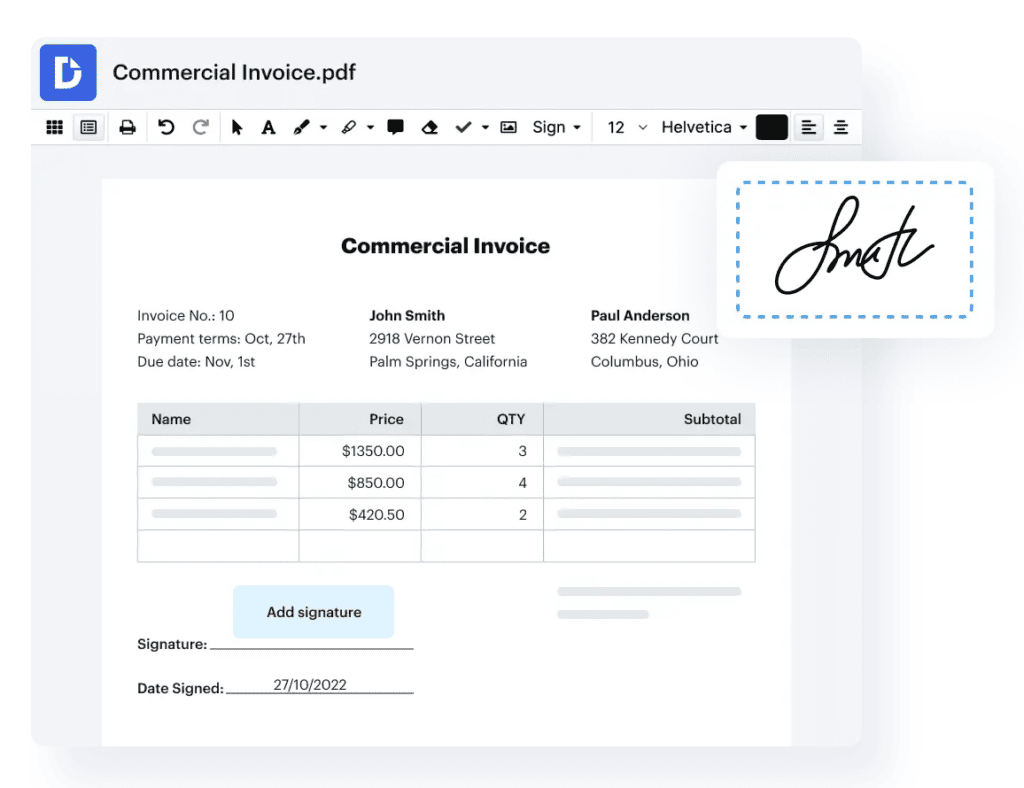
Annotation features make collaboration even more effective. Team members can highlight text, add comments, suggest revisions, and communicate directly within documents. This reduces misunderstandings and keeps feedback organized.
Real-time collaboration supports faster decision-making. Instead of waiting for documents to be emailed back and forth, stakeholders can review and contribute to files more efficiently.
Businesses use collaborative document workflows for contract reviews, project planning, policy development, proposal creation, and client communications. Educational institutions similarly benefit from collaborative tools that support teaching, learning, and administrative processes.
The ability to collaborate remotely has become particularly valuable as distributed teams become more common. Cloud-based platforms ensure that team members remain connected regardless of location.
By improving communication and reducing workflow bottlenecks, document collaboration tools help organizations operate more efficiently and effectively.
The Future Of Online Document Editing And Collaboration
The future of document management is increasingly driven by innovation, automation, and cloud technology. As organizations continue their digital transformation journeys, demand for advanced document editing and collaboration solutions will continue to grow.
Artificial intelligence is beginning to enhance document workflows through features such as automated data extraction, intelligent form completion, content analysis, and workflow recommendations. These technologies help users save time while reducing manual effort.
Security will remain a major focus as more sensitive information moves online. Enhanced encryption, identity verification, compliance tools, and secure cloud storage solutions will continue to strengthen digital document protection.
Mobile accessibility is also becoming increasingly important. Users expect to edit, sign, and share documents seamlessly across smartphones, tablets, and desktop devices.
Integration with business applications will further improve productivity. Document platforms are increasingly connecting with cloud storage services, project management tools, customer relationship management systems, and workflow automation solutions.
Sustainability benefits are another driving factor behind digital document adoption. Reducing paper usage helps organizations lower costs while supporting environmentally responsible practices.
As technology evolves, online PDF editors and collaboration platforms will continue to simplify document management. They provide the flexibility, security, and efficiency needed for modern work environments while helping businesses and individuals manage information more effectively in a digital-first world.