
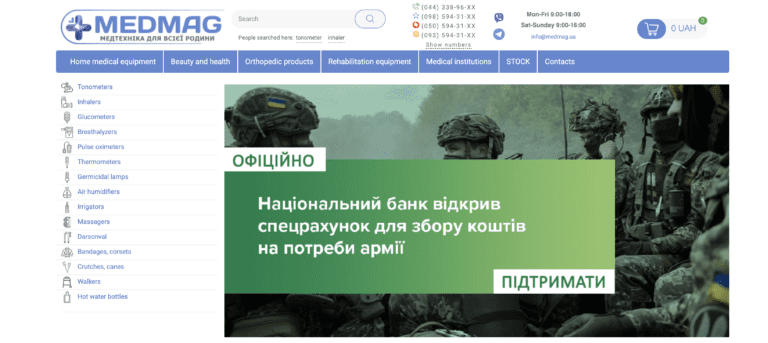
The landscape of medical marketing is evolving rapidly. With the rise of digital platforms and innovative strategies, healthcare providers are finding new ways to connect with patients. One standout player in this transformation is MedMag, a pioneering force that’s reshaping how medical professionals engage their audience. As we dive deeper into this topic, we’ll explore the advancements driving these changes, the benefits for healthcare providers, and how patients are influenced by these modern techniques. The future of medical marketing is bright and full of potential—let’s uncover what lies ahead.
The Advancements in Medical Marketing
The advancements in medical marketing are remarkable. Traditional methods like print ads and brochures are giving way to more dynamic approaches.
Digital platforms have taken center stage. Social media, email campaigns, and targeted online advertising enable healthcare providers to reach specific audiences effectively.
Content marketing is also gaining traction. Blogs, videos, and infographics educate patients while building trust in the healthcare brand.
Additionally, search engine optimization (SEO) plays a pivotal role. By enhancing visibility on search engines, practices can attract more patients who seek information online.
Artificial intelligence tools further personalize patient interactions by analyzing data trends and preferences. This allows for tailored messaging that resonates with individuals on a personal level.
As technology continues to advance, so too will the strategies used in medical marketing—creating opportunities for deeper connections between providers and their communities.
The Benefits of MedMag for Healthcare Providers
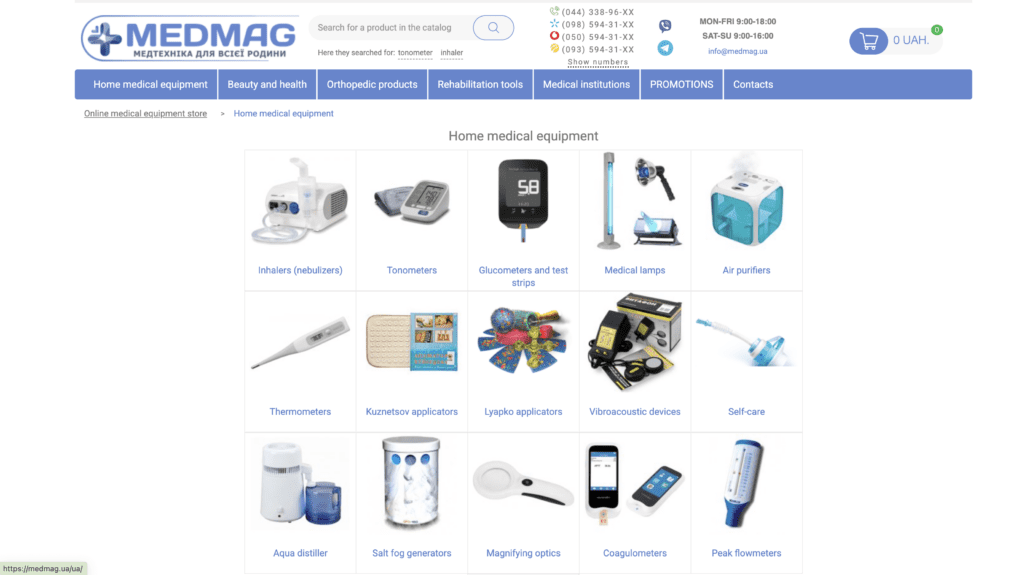
MedMag offers significant advantages for healthcare providers looking to enhance their outreach. It transforms traditional marketing strategies into dynamic, interactive platforms that engage patients more effectively.
With MedMag, healthcare professionals can share specialized content tailored to their audience. This targeted approach ensures that the right message reaches the right people at the right time.
Additionally, establishing a strong online presence through MedMag elevates brand visibility. Providers can build credibility and trust by sharing valuable information on medical advancements and patient care tips.
The analytics capabilities of MedMag are another game changer. Healthcare providers can track engagement metrics in real-time, allowing them to refine their strategies based on data-driven insights.
Moreover, collaboration with other industry experts becomes easier. By connecting with peers or influencers in the field through this platform, providers expand their professional network while enhancing their service offerings.
How Patients are Influenced by MedMag
Patients today are more informed than ever. MedMag plays a pivotal role in shaping their understanding of health issues and treatment options.
Through engaging content, patients find valuable insights about conditions that affect them directly. This information empowers individuals to take control of their health journey.
Visual elements in MedMag also make complex medical concepts easier to grasp. Infographics and videos can simplify intricate topics, making them accessible for everyone.
Social proof is another powerful aspect. When patients see testimonials or success stories from others like themselves, it builds trust in both the healthcare provider and the recommended treatments.
Moreover, personalized marketing strategies target specific demographics based on their interests or needs. This tailored approach resonates deeply with readers and encourages them to engage further with healthcare solutions presented by MedMag platforms.
The Role of Technology in MedMag
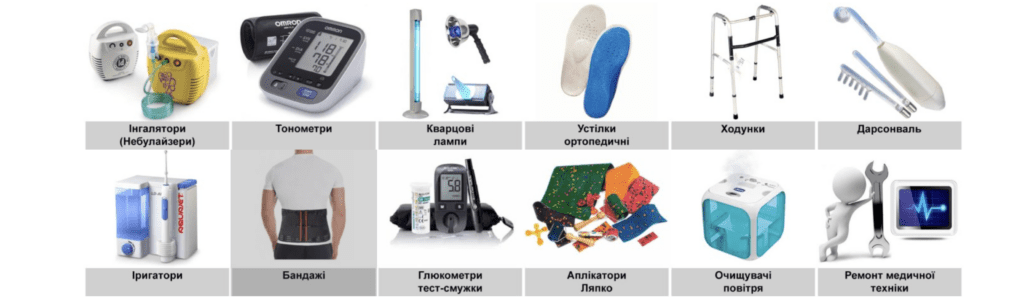
Technology is reshaping the landscape of medical marketing in exciting ways. Innovative tools and platforms are enabling healthcare providers to reach their audience more effectively than ever before.
Digital channels, such as social media and email campaigns, allow for targeted messaging. This means that healthcare brands can engage specific demographics based on interests, behaviors, and health needs.
Artificial intelligence plays a crucial role too. AI-driven analytics help providers understand patient trends and preferences. By leveraging data insights, marketers can tailor content that resonates with potential patients.
Mobile applications enhance accessibility to information about services and treatment options. Patients can easily find relevant resources at their fingertips.
Moreover, virtual reality (VR) is emerging as an engaging way to educate patients about medical procedures or therapies. It transforms traditional approaches into immersive experiences that foster understanding and trust in healthcare offerings.
Ethical Concerns and Regulations
As medical marketing evolves, ethical concerns emerge alongside it. The potential for misinformation in advertising raises alarms among healthcare professionals and patients alike. Misleading claims about treatments can lead to misguided choices.
Privacy is another crucial aspect. With digital platforms collecting patient data, the line between effective targeting and invasion of privacy blurs. Providers must navigate these waters carefully to maintain trust.
Regulatory bodies are stepping up efforts to establish guidelines for medical marketing practices. Compliance with these regulations is essential for maintaining credibility within the industry.
Healthcare providers face a balancing act—promoting their services while adhering to ethical standards. Striking this balance ensures that patient welfare remains at the forefront of all marketing initiatives, fostering an environment where integrity prevails over profit-driven motives.
The Future of MedMag and Predictions for the Industry
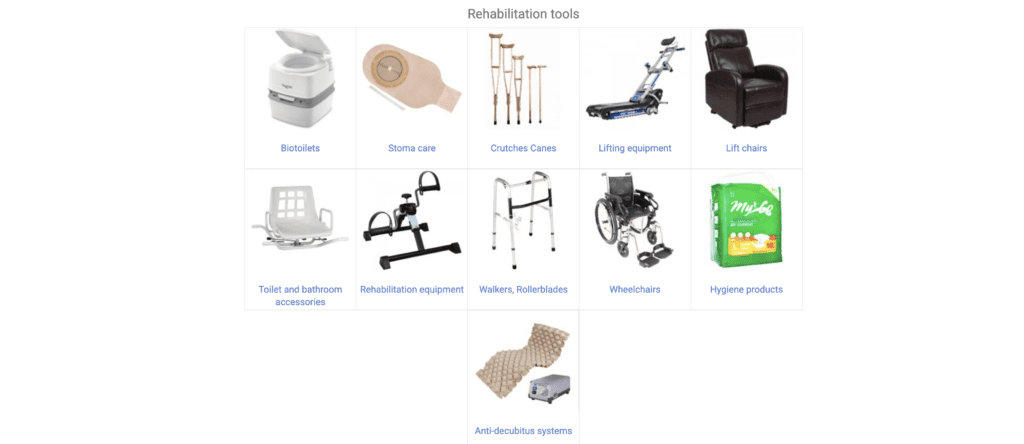
As MedMag continues to evolve, its influence is poised to expand significantly within the medical landscape. The integration of artificial intelligence and machine learning will refine targeting strategies, ensuring that healthcare messages reach the right audience at optimal times.
We may also see an increase in personalized content tailored to individual patient needs. This shift can enhance engagement and foster stronger connections between providers and patients.
Moreover, virtual reality could play a pivotal role in immersive marketing experiences. Patients might explore treatments or facilities virtually, leading to informed decision-making before they even set foot in a clinic.
The regulatory environment will likely adapt as well. Stricter guidelines could emerge around data privacy and advertising practices, keeping ethical standards front and center while allowing innovation to thrive.
Such transformations signal exciting possibilities for both healthcare providers and patients alike.
The landscape of medical marketing is shifting rapidly. MedMag stands at the forefront, transforming how healthcare providers connect with patients. As technology advances, so too does the ability to deliver tailored information that resonates deeply with individuals seeking care.
Healthcare practitioners can leverage MedMag’s benefits to enhance their visibility and foster patient relationships. By utilizing targeted content and data analytics, they can reach audiences more effectively than ever before.
Patients are becoming increasingly savvy in their healthcare choices. They rely on digital platforms for information and guidance. MedMag plays a crucial role in shaping their perceptions and decisions through informative articles, reviews, and insights.
Technological innovations continue to drive this evolution forward. From AI-powered recommendations to telehealth integrations, the tools available today facilitate seamless communication between providers and patients.
However, ethical concerns can’t be overlooked. Regulations must evolve alongside these advancements to ensure that patient privacy remains protected while allowing for innovative marketing strategies.
As we look ahead, it’s clear that MedMag will only grow more influential within the medical marketing sphere. The integration of advanced technologies coupled with a keen understanding of patient needs suggests an exciting future for all stakeholders involved in healthcare delivery.
The journey into this new era offers numerous opportunities but also challenges that must be addressed thoughtfully as we move forward together.