
Transforming Document Workflows With Modern Digital Tools
The way people handle documents has changed dramatically over the last decade. Businesses, students, freelancers, educators, and professionals now rely on digital solutions to manage paperwork more efficiently than ever before. Traditional methods of printing, signing, scanning, and emailing documents often consume valuable time and create unnecessary complexity. As organizations continue embracing digital transformation, document management platforms have become essential tools for improving productivity and collaboration.
DocHub has emerged as a powerful solution designed to simplify document-related tasks. Instead of juggling multiple applications for editing, signing, sharing, and organizing files, users can complete these activities within a single platform. This streamlined approach helps eliminate workflow bottlenecks while making document management accessible to individuals and teams of all sizes.
One of the most significant advantages of modern document platforms is convenience. Users no longer need to be physically present to complete important paperwork. Whether signing contracts, reviewing agreements, updating forms, or collaborating on business documents, everything can be accomplished digitally from virtually anywhere. This flexibility supports remote work environments and enables organizations to maintain productivity regardless of location.
Digital document management also contributes to environmental sustainability. Reducing reliance on paper helps organizations lower printing costs while minimizing waste. As companies seek greener operational practices, electronic document workflows represent a practical and effective solution.
Beyond convenience and sustainability, security remains a major consideration when handling sensitive information. Modern document platforms incorporate advanced protection measures that help safeguard confidential data. This combination of accessibility, efficiency, and security makes digital document management an essential component of contemporary business operations.
As organizations continue adapting to evolving workplace demands, tools that simplify document workflows become increasingly valuable. The ability to edit, sign, share, and manage documents seamlessly allows individuals and teams to focus more on meaningful work rather than administrative processes.
Simplifying Document Editing For Faster Productivity
Document editing is one of the most common tasks performed in professional and academic environments. Whether correcting information, completing forms, adding annotations, or reviewing contracts, users need tools that make editing simple and efficient. Effective document editing solutions eliminate unnecessary complexity and allow users to make changes quickly without compromising document quality.
DocHub provides a user-friendly editing experience designed to accommodate a wide range of document-related needs. Users can add text, highlight important sections, insert comments, and modify content directly within documents. These capabilities reduce the need for multiple software applications and help maintain workflow continuity.
One key advantage of digital editing is speed. Traditional editing methods often require printing documents, making handwritten changes, scanning files, and sending them back to recipients. This process can be time-consuming and prone to delays. Digital editing eliminates these obstacles by enabling real-time modifications directly within electronic documents.
Collaboration also becomes more effective when editing tools are integrated into a centralized platform. Team members can review files, suggest revisions, and communicate changes more efficiently. This collaborative environment supports better decision-making while reducing misunderstandings that may arise from fragmented communication channels.
For educational institutions, digital editing tools provide substantial benefits. Students can complete assignments electronically, instructors can provide feedback directly within documents, and administrative staff can process forms more efficiently. These improvements contribute to smoother operations across academic environments.
Businesses similarly benefit from streamlined editing capabilities. Human resources departments can update employment documents, legal teams can revise contracts, and project managers can review proposals without relying on cumbersome paper-based workflows. Faster editing leads to quicker approvals and improved organizational efficiency.
The ability to access editing tools from various devices further enhances productivity. Whether working from a desktop computer, laptop, tablet, or smartphone, users can manage document revisions without being tied to a specific location. This flexibility supports modern work habits and ensures important tasks can be completed whenever necessary.
By simplifying editing processes and reducing administrative burdens, digital document platforms help users work more efficiently while maintaining accuracy and professionalism across all types of documentation.
Creating Seamless Electronic Signature Experiences
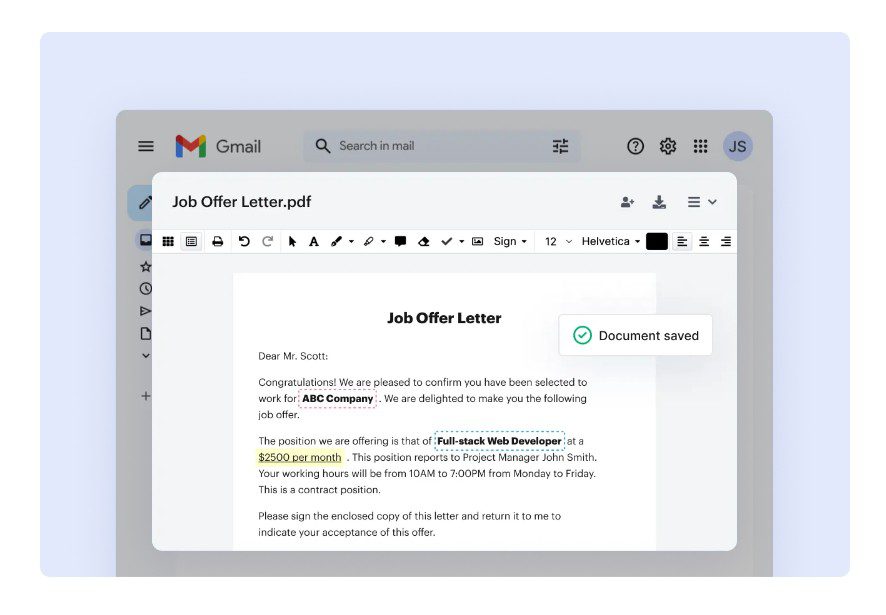
Electronic signatures have transformed the way agreements and approvals are completed. In today’s fast-paced environment, waiting for physical signatures can create delays that affect productivity and business operations. Digital signature technology provides a practical solution by allowing documents to be signed securely and efficiently from virtually any location.
DocHub offers electronic signature capabilities that help users complete important transactions quickly. Whether signing employment contracts, business agreements, financial documents, or educational forms, electronic signatures eliminate the need for printing and scanning paperwork. This streamlined process significantly reduces turnaround times and improves overall workflow efficiency.
The convenience of electronic signatures extends across multiple industries. Businesses can finalize contracts faster, healthcare organizations can process patient forms more efficiently, educational institutions can manage administrative paperwork electronically, and government agencies can simplify document approvals. These benefits contribute to improved service delivery and operational effectiveness.
Remote work environments particularly benefit from electronic signature technology. Employees, clients, partners, and stakeholders can review and sign documents without requiring in-person meetings. This flexibility supports distributed teams and enables organizations to maintain momentum regardless of geographic limitations.
Security remains a critical aspect of electronic signing solutions. Modern digital signature systems typically include authentication measures, audit trails, and encryption technologies that help protect document integrity. These features provide confidence that signed documents remain secure and verifiable throughout their lifecycle.
User experience also plays an important role in adoption. Electronic signature tools are most effective when they are intuitive and easy to use. A straightforward signing process reduces frustration and encourages faster completion of important paperwork. When users can sign documents with minimal effort, organizations experience improved response times and increased efficiency.
The legal recognition of electronic signatures in many jurisdictions has further accelerated adoption. As regulatory frameworks continue supporting digital transactions, organizations increasingly rely on electronic signatures as a standard business practice. This shift reflects growing confidence in the reliability and effectiveness of digital document workflows.
By eliminating traditional barriers associated with physical signatures, electronic signing technology enables faster communication, improved collaboration, and more efficient document processing across a wide range of professional environments.
Enhancing Collaboration Through Secure Document Sharing
Effective collaboration depends on the ability to share information quickly and securely. In modern workplaces, teams often consist of individuals working across different departments, cities, or even countries. As a result, document sharing has become a fundamental component of successful communication and project management.
DocHub facilitates document sharing by enabling users to distribute files efficiently while maintaining control over access and permissions. Rather than relying on lengthy email chains and multiple file versions, users can manage document collaboration within a more organized environment.
One of the biggest challenges associated with document sharing is version control. When multiple copies of a document circulate among team members, confusion can arise regarding which version contains the most current information. Centralized sharing solutions help reduce these issues by providing access to updated documents within a single platform.
Collaboration becomes particularly valuable during project development. Team members can review proposals, provide feedback, suggest modifications, and approve content more efficiently when working within a shared digital environment. This streamlined communication supports faster project completion and improves overall productivity.
Security is another important consideration when sharing documents. Sensitive information such as contracts, financial records, employee data, and confidential business plans must be protected from unauthorized access. Secure sharing tools help organizations maintain control over who can view, edit, or sign specific documents.
Educational institutions also benefit from improved document sharing capabilities. Teachers can distribute learning materials, students can submit assignments, and administrators can communicate important information through digital channels. These processes contribute to more effective educational experiences while reducing administrative workload.
The ability to share documents across devices further enhances accessibility. Users can access important files from office computers, home workstations, tablets, or smartphones. This flexibility supports hybrid work models and ensures collaboration continues regardless of location.
Efficient document sharing strengthens teamwork by enabling smoother communication, reducing delays, and improving information accessibility. As organizations increasingly rely on digital collaboration, secure sharing solutions remain essential tools for achieving operational success and maintaining productive working relationships.
Building A Smarter Future For Document Management
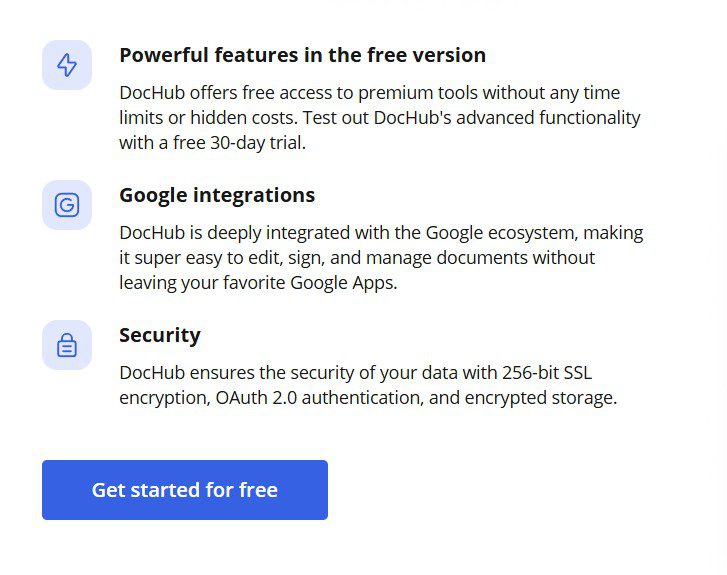
The future of work continues evolving as organizations adopt technologies that improve efficiency, flexibility, and collaboration. Document management sits at the center of many business processes, making it a critical area for innovation and improvement. Platforms that combine editing, signing, sharing, and organizational capabilities help create more streamlined and productive workflows.
DocHub represents a comprehensive approach to document management by bringing essential functions together within a unified environment. Rather than switching between multiple applications, users can manage the entire document lifecycle more effectively from a single platform. This integration reduces complexity and helps organizations operate more efficiently.
As businesses grow, document volumes often increase significantly. Managing large numbers of files requires tools that support organization, accessibility, and workflow automation. Digital document platforms provide the infrastructure necessary to handle expanding documentation needs while maintaining efficiency and accuracy.
Artificial intelligence and automation technologies are likely to further enhance document management capabilities in the coming years. Intelligent systems may assist with document classification, data extraction, workflow routing, and compliance monitoring. These advancements have the potential to reduce manual effort while improving operational consistency.
Remote and hybrid work environments will continue driving demand for flexible document solutions. Employees need reliable access to files, collaboration tools, and approval processes regardless of location. Digital document platforms support these evolving workplace models by enabling seamless interaction with documents from virtually anywhere.
Customer expectations are also changing. Faster response times, convenient digital experiences, and efficient communication have become increasingly important. Organizations that embrace modern document management solutions are better positioned to meet these expectations while improving service quality.
The transition from paper-based workflows to digital processes represents more than a technological upgrade. It reflects a broader shift toward efficiency, sustainability, and innovation. By simplifying editing, signing, sharing, and organization, comprehensive document management platforms help individuals and businesses achieve greater productivity while preparing for future challenges.
As the digital landscape continues evolving, organizations that invest in effective document management solutions will be better equipped to adapt, collaborate, and succeed in an increasingly connected world. The complete document experience is no longer a luxury but an essential component of modern professional life.