
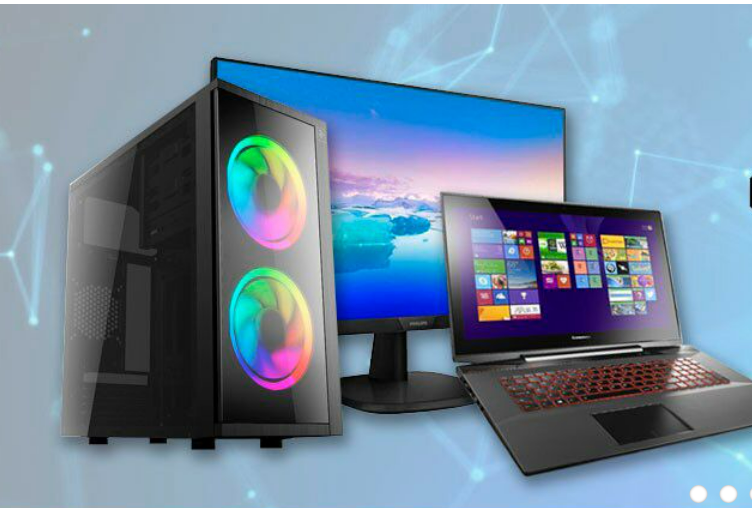
Introduction to the article
In a world where technology seamlessly intertwines with our daily lives, the aesthetic appeal of computers has never been more important. Gone are the days when bulky machines lived hidden away under desks. Today’s consumers crave devices that not only perform exceptionally but also make a statement in their homes and offices. As we delve into the innovative designs emerging from Europe and the USA, prepare to be inspired by how these brands elevate technology into an art form. From sleek lines to bold colors, let’s explore some of the most stylish computers on the market today!
In a world where technology meets artistry, the latest computers are not just tools; they’re statements. Gone are the days of bland, boxy designs that only serve a functional purpose. Today’s leading brands in Europe and the USA have stepped up their game, merging cutting-edge performance with eye-catching aesthetics.
From sleek ultra-thins to bold gaming rigs, these innovative designs captivate at first glance. Whether you prioritize style or need a powerhouse for your creative endeavors, there’s something out there to meet your needs. Join us as we explore some of the most stylish computers on both sides of the Atlantic—designs that prove tech can be beautiful too!
The rise of technology and its impact on design
Technology has reshaped our world in unimaginable ways. With rapid advancements, the design landscape has evolved significantly.
Gone are the days when functionality was the sole focus. Today, aesthetics play a crucial role alongside performance. Designers blend creativity with cutting-edge technology to create products that are both beautiful and efficient.
The integration of sleek lines, vibrant colors, and innovative materials defines modern devices. From laptops to desktops, every aspect is meticulously crafted to enhance user experience.
Moreover, sustainability has emerged as a key consideration in design processes. Brands now strive for eco-friendly materials without sacrificing style or performance.
In this dynamic environment, collaboration between engineers and designers fosters unique creations that reflect contemporary culture while advancing usability. The result is not just a computer but an artistic expression that resonates with users on multiple levels.
Popular American computer brands
American computer brands have made a significant mark in the tech world. Names like Apple and Dell stand out for their innovation and user-centric designs.
Apple’s sleek MacBook lineup combines technology with aesthetics, offering users both performance and style. Their attention to detail makes every product feel premium.
Dell, on the other hand, caters to a broader audience with its versatile offerings. The XPS series is particularly notable for its elegant design and powerful specifications, appealing to professionals and creatives alike.
HP also deserves mention for striking a balance between functionality and modern flair. With customizable models that fit various lifestyles, HP ensures there’s something for everyone.
These brands continue pushing boundaries through research and creativity, making American computers synonymous with quality in design as well as performance.
The most stylish computers from Europe and USA:
When it comes to stylish computers, both Europe and the USA have made remarkable strides in design.
Take Apple’s MacBook series. Its sleek aluminum chassis and minimalist aesthetics make a strong statement about sophistication. The Retina display adds an extra layer of elegance, appealing to creatives and professionals alike.
On the European front, brands like ASUS are pushing boundaries too. Their ZenBook line features cutting-edge designs with vibrant colors and ultra-thin profiles that catch the eye.
Dell’s XPS range stands out for its stunning InfinityEdge display, offering nearly borderless viewing experiences wrapped in a premium build.
Meanwhile, HP’s Spectre x360 is another gem; its striking metallic finish exudes luxury while providing functionality with 2-in-1 versatility.
These examples highlight how innovation can transform everyday devices into works of art without compromising performance or usability.
Examples of innovative designs
When we talk about innovative designs, few computers stand out like the Apple iMac. Its sleek, all-in-one design revolutionized workspace aesthetics. The vibrant colors and minimalist approach make it a favorite for both home offices and creative studios.
Another remarkable example is the Microsoft Surface Studio. This device combines powerful computing with a stunning touchscreen display that tilts down to create an immersive drawing experience. Creative professionals adore its versatility.
On the European front, consider the ASUS ZenBook series. Thinner than most laptops yet packed with features, they showcase elegance without sacrificing performance.
Then there’s HP’s Spectre x360, which mesmerizes users with its gem-cut design and ultra-thin profile. It’s not just a laptop; it’s a statement piece that embodies modern sophistication in technology.
These examples highlight how functionality can marry style seamlessly in today’s tech landscape.
Conclusion: Why the collaboration
The fusion of technology and design has paved the way for innovative computing solutions that are as aesthetically pleasing as they are functional. American brands have long been at the forefront, showcasing sleek designs and cutting-edge features. Meanwhile, European manufacturers have introduced a distinct flair to their products, emphasizing craftsmanship and elegance.
This collaboration between innovation and style is not just about aesthetics; it creates an experience that resonates with users on multiple levels. Stylish computers inspire creativity while also serving practical purposes in daily tasks. They enhance workspaces, making them more inviting and productive.
As we see more collaborations between tech companies and designers, the possibilities are endless. The marriage of functionality with eye-catching designs not only attracts consumers but also sets new benchmarks within the industry. Embracing this trend means celebrating creativity alongside productivity—an exciting prospect for future developments in computer technology.