
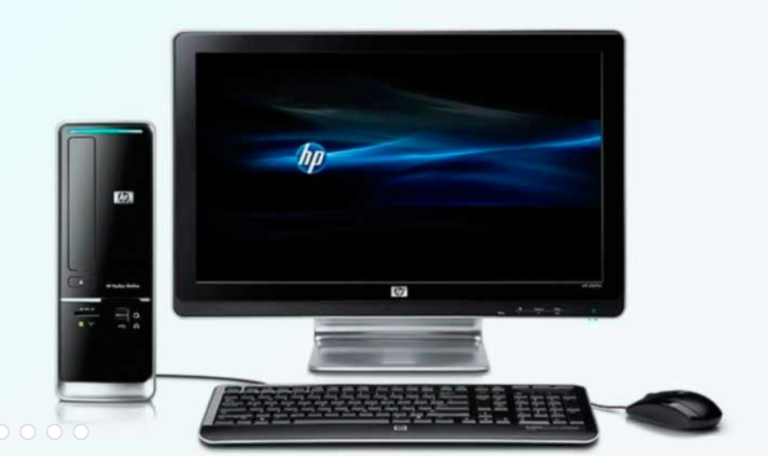
Introduction to the article
The world of technology is an ever-evolving landscape, where the sparks of innovation blaze bright. Among the leading contributors to this dynamic field are Europe and the USA. These regions have not only shaped our digital experiences but have also set the stage for revolutionary breakthroughs in computing. From early mechanical devices to today’s powerful supercomputers, their journey is as fascinating as it is transformative.
Join us as we dive into a rich history filled with pioneering minds and groundbreaking inventions that have redefined what computers can do. Discover how advancements from both sides of the Atlantic continue to influence global technology, paving the way for future innovations that promise to change our lives forever. Dive in and explore!
Innovation drives our world forward, and nowhere is this more evident than in the realm of computing. From sleek designs to powerful performance, computers have transformed how we work, play, and connect with each other. Europe and the USA are at the forefront of this technological revolution. These regions are home to some of the most advanced computer brands that push boundaries and redefine possibilities.
Whether you’re a gamer seeking high-performance machines or a professional needing reliable devices for demanding tasks, there’s something exceptional coming from these innovators. With cutting-edge features and groundbreaking technologies emerging every year, it’s an exciting time for tech enthusiasts everywhere. Dive into this exploration of leading computers from Europe and the USA as we uncover what makes them stand out in today’s competitive market!
Brief history of computer innovation in Europe and USA
The journey of computer innovation began in the mid-20th century. Europe played a crucial role with pioneers like Alan Turing and Konrad Zuse. Their early machines laid the groundwork for modern computing.
In the United States, developments surged after World War II. The ENIAC, one of the first electronic general-purpose computers, emerged in 1945. This marked a significant shift toward more sophisticated technology.
As decades passed, both regions continued to push boundaries. Europe embraced microelectronics while America focused on personal computing with companies like Apple and IBM leading the charge.
Innovation flourished as research institutions collaborated across borders. Each breakthrough not only transformed industries but also reshaped society’s interaction with technology in profound ways.
Advancements and innovations in European computers
Europe has long been a cradle for groundbreaking computer advancements. From the early days of ENIAC to modern supercomputers, innovation flows through its tech corridors.
In recent years, European manufacturers have pioneered energy-efficient processors. These chips not only enhance performance but also reduce environmental impact—an important consideration in today’s eco-conscious world.
Quantum computing is another frontier where Europe shines. Collaborations among leading universities and research institutions have accelerated developments in this field, ensuring that the continent remains competitive on a global scale.
Moreover, European software innovations focus on data privacy and security. The General Data Protection Regulation (GDPR) has set new standards worldwide, pushing companies to prioritize user data protection while still delivering cutting-edge technology.
These advancements reflect Europe’s commitment to sustainability and ethical practices in tech development. With such progress, it’s clear that European computers will continue to shape future technologies significantly.
Advancements and innovations in American computers
American computers have long been at the forefront of innovation. Companies like IBM and Apple transformed personal computing in the late 20th century, making technology accessible to everyday users.
The rise of silicon chip technology revolutionized processing power, leading to faster and more efficient machines. This paved the way for innovations such as laptops, which combined portability with performance.
In recent years, American tech giants have focused on artificial intelligence and cloud computing. These advancements are reshaping how we interact with technology daily.
Furthermore, initiatives in quantum computing promise unprecedented computational capabilities. Startups are also emerging across the country, pushing boundaries and introducing fresh ideas.
America’s commitment to research and development ensures that its computer industry continues evolving rapidly. The landscape is ever-changing—exciting opportunities await just around the corner.
The impact of European and American computers on global technology
The influence of European and American computers extends far beyond their borders. These regions have been at the forefront of groundbreaking technological advancements, shaping industries worldwide.
From the invention of the microprocessor to pioneering software solutions, their innovations have set global standards. Companies like IBM and Siemens became household names by pushing boundaries that others could only dream of.
This leadership has fostered a culture of collaboration across nations. Countries often look to Europe and America for inspiration in tech development, leading to an interconnected world where ideas flow freely.
Moreover, these computers have democratized access to information, enabling education and innovation in diverse fields. Startups from various corners of the globe leverage this technology to disrupt markets previously dominated by traditional giants.
As they continue evolving, European and American computers remain critical drivers behind today’s digital revolution—changing how we work, communicate, and engage with each other daily.
Future predictions for computer innovation in Europe and USA
The future of computer innovation in Europe and the USA is poised for remarkable changes. Advancements in artificial intelligence will redefine user interactions, making systems more intuitive than ever.
Quantum computing stands as a frontier that both regions are eager to explore. With its potential to solve complex problems at unprecedented speeds, industries from healthcare to finance could undergo transformative shifts.
Sustainability will play a central role too. Eco-friendly designs and energy-efficient technologies are becoming priorities for manufacturers across the Atlantic.
Additionally, collaborative efforts between startups and established tech giants may spark groundbreaking ideas. Open-source platforms might drive faster problem-solving through community innovation.
As 5G networks expand, connectivity will soar, enabling smarter devices and real-time data processing like never before. The integration of augmented reality into daily computing experiences promises an immersive future that blurs the line between physical and digital worlds.
Conclusion
The journey of computer innovation has been nothing short of remarkable. Both Europe and the USA have played pivotal roles in shaping the technology we rely on today. From early mechanical devices to cutting-edge AI systems, advancements continue to emerge at an astounding pace.
European companies like Siemens and ARM lead with a focus on sustainability and integration into everyday life. Their commitment to developing energy-efficient technologies is setting new standards for environmental responsibility in computing.
On the other hand, American tech giants such as Apple, Google, and Microsoft consistently push boundaries with innovative software solutions and hardware design. Their influence extends globally, promoting trends that shape consumer expectations.
The collaboration between Europe and the USA has fueled progress across industries worldwide. Innovations from these regions inspire startups everywhere, creating a ripple effect that elevates global technology standards.
Looking ahead, it’s clear that both continents will continue to be at the forefront of digital transformation. The next wave of innovations promises even more connectivity while addressing challenges like security and climate change.
As we move forward into this exciting era for computers, one thing remains certain: innovation knows no borders. The synergy between European ingenuity and American ambition will undoubtedly drive us toward a future filled with possibilities yet unseen.