

Introduction to Sustainable Style
Sustainable fashion is more than just a trend; it’s a movement that resonates with conscious consumers around the world. As we become increasingly aware of our impact on the planet, stylish choices are evolving to reflect our values. Fast fashion has long dominated the industry, but its environmental toll raises serious concerns. Enter Marks and Spencer—a brand that’s stepping up to redefine style through sustainability. With innovative practices and eco-friendly initiatives, they’re proving that looking good doesn’t have to come at the expense of Mother Earth. Join us as we explore how Marks and Spencer is leading the charge towards an eco-conscious wardrobe, making sustainable style accessible for everyone.
Sustainable fashion is more than just a trend; it’s a movement reshaping the way we think about style. As consumers become increasingly conscious of their environmental impact, brands are stepping up to meet this demand in innovative ways. One such pioneer is Marks and Spencer, a name synonymous with quality and reliability.
Marks and Spencer has embarked on an inspiring journey toward eco-friendly fashion that caters to both style enthusiasts and environmentally-conscious shoppers alike. From responsibly sourced materials to ethical production practices, they’re setting benchmarks for others in the industry. In this blog post, we’ll delve into how Marks and Spencer is leading the charge in sustainable style while still delivering fashionable pieces that resonate with today’s discerning customers. Join us as we explore their commitment to sustainability and what it means for our wardrobes!
The Impact of Fast Fashion on the Environment
Fast fashion has revolutionized the clothing industry, but at a significant cost to our planet. The rapid production cycles lead to massive waste and pollution. For every garment produced, natural resources are depleted, from water used in cotton cultivation to energy consumed in manufacturing.
The toxic dyes and chemicals often found in fast fashion contribute to water contamination, harming aquatic ecosystems and communities near factories. Landfills overflow with discarded clothes—many items worn only a few times before being tossed aside.
Additionally, carbon emissions soar as brands prioritize speed over sustainability. Transportation of these goods amplifies the environmental footprint further.
Consumers often overlook these consequences while chasing trends that change season after season. This cycle perpetuates an unsustainable model that challenges both nature and ethical practices within the industry itself.

Marks and Spencer’s Commitment to Sustainability
Marks and Spencer stands out in the retail landscape with its unwavering commitment to sustainability. The brand has taken significant strides toward an eco-friendly future, weaving ethical practices into the fabric of their business model.
One major initiative is their “Plan A,” launched over a decade ago. This ambitious program aims to address various environmental challenges, focusing on everything from reducing carbon emissions to ensuring responsible sourcing of materials.
Their efforts extend beyond mere marketing buzzwords; Marks and Spencer actively collaborates with suppliers who share their values. By prioritizing transparency throughout its supply chain, they ensure that consumers can trust the origins of what they wear.
Innovative projects like recycling programs and sustainable packaging demonstrate how seriously they take this mission. These initiatives not only minimize waste but also encourage customers to engage in more conscious shopping habits.
Examples of Sustainable Fashion Collections from Marks and Spencer
Marks and Spencer has made significant strides in sustainable fashion, showcasing collections that prioritize both style and ethics. The “Plan A” initiative is a prime example, emphasizing the use of organic cotton and recycled materials across various lines.
The recent collaboration with eco-conscious designers highlights their commitment to innovation. By merging contemporary aesthetics with responsible sourcing, these pieces stand out while being mindful of environmental impact.
In addition, their “Sustainable Denim” range uses less water during production. This means you can enjoy trendy jeans without compromising on sustainability.
Each collection reflects a dedication to reducing waste and promoting ethical practices in fashion. With clear labeling about materials used, shoppers are equipped to make informed choices that align with their values. Marks and Spencer continues to set benchmarks for what it means to be stylishly sustainable in today’s market.
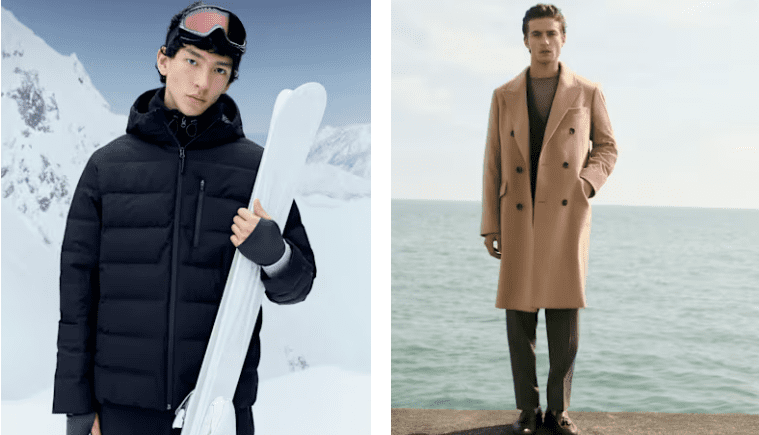
Conclusion: The Importance of Brands Like Marks and Spencer in Shifting Towards a More Sustainable Fashion Industry
The fashion industry is at a crossroads. As consumers become more aware of the environmental impact of their choices, brands must adapt to meet these new expectations. Marks and Spencer stands out as a leader in this transformation toward sustainable style. Their commitment to eco-friendly practices not only resonates with conscious shoppers but also sets a precedent for other retailers.
By prioritizing sustainability in their collections, Marks and Spencer encourages the industry to rethink its approach. They demonstrate that style does not have to come at the expense of our planet. Their innovative use of materials, focus on ethical sourcing, and initiatives aimed at reducing waste prove that change is possible.
As more companies follow suit, we can hope for a future where sustainability becomes the norm rather than the exception in fashion. Brands like Marks and Spencer are essential players in this shift towards an industry that values both beauty and responsibility—a movement that benefits us all.