

Discover Coursera Flexible Online Learning for Students and Professionals
Education is no longer limited to traditional classrooms or fixed schedules. With the growing popularity of online learning, students and working professionals can develop valuable skills from the comfort of their homes. Coursera is an online learning platform that provides access to educational courses, professional certificates, and degree programmes across a wide range of subjects.
Coursera works with universities and industry organisations to offer learning opportunities in technology, business, data science, artificial intelligence, marketing, and personal development. Its flexible learning options make it useful for people who want to expand their knowledge while managing academic, professional, or personal responsibilities.
From beginners exploring new interests to experienced professionals developing specialised skills, Coursera offers educational resources for different learning goals.
Why Coursera Is a Popular Choice for Online Learning

Coursera has become a recognised name in online education because of its diverse course catalogue and collaborations with universities and industry organisations.
The platform offers educational content designed for learners with different backgrounds and experience levels. Students can explore subjects outside their regular academic programmes, while professionals can study topics related to their current jobs or future career interests.
One appealing aspect of Coursera is the ability to select courses according to personal learning objectives. Some programmes introduce fundamental concepts, while others provide more advanced instruction.
Coursera also offers different learning formats, including individual courses, Specializations, Professional Certificates, and online degree programmes.
These options allow learners to choose between exploring a specific topic and following a more structured educational pathway.
By bringing different learning opportunities together, Coursera helps users find programmes that suit their interests, schedules, and educational needs.
Explore a Wide Range of Courses on Coursera
Coursera offers courses covering numerous academic and professional subjects. This variety makes the platform relevant to learners interested in developing technical knowledge, business expertise, or personal skills.
Technology-related courses cover areas such as programming, cybersecurity, cloud computing, and software development. These subjects may interest students preparing for technology careers or professionals expanding their technical abilities.
Business courses explore management, leadership, entrepreneurship, finance, and organisational strategy. They can help learners understand important concepts used in different workplace environments.
Data science and artificial intelligence are also prominent areas of study. Learners can explore topics such as data analysis, machine learning, statistics, and generative AI.
For those interested in creative and communication-focused fields, Coursera includes courses related to digital marketing, graphic design, writing, and personal development.
Before choosing a programme, learners should review its description, prerequisites, syllabus, and expected outcomes. This helps ensure that the course matches their current knowledge and learning objectives.
How Coursera Supports Students and Academic Learning
Students often look for additional educational resources to strengthen their understanding of subjects taught in school or university. Coursera provides opportunities to explore academic topics beyond a traditional curriculum.
For example, a student studying business administration may take an introductory course in digital marketing or financial analysis. Similarly, a computer science student might explore artificial intelligence, database management, or cybersecurity.
These additional learning experiences can help students discover new interests and develop knowledge relevant to their future plans.
Coursera also encourages independent learning. Students are responsible for reviewing lessons, completing activities, and managing their study schedules.
Many courses include video lectures, readings, quizzes, and practical assignments. These resources allow learners to engage with concepts in different ways.
However, online courses require consistency and motivation. Students should set realistic goals and allocate regular study time to maintain progress.
Coursera can complement formal education, although individual courses should not automatically be considered equivalent to accredited university qualifications.
Coursera Professional Certificates for Career Development
Professional development is an important consideration for people who want to strengthen their existing skills or explore new career directions.
Coursera offers Professional Certificate programmes developed in collaboration with industry organisations. These programmes focus on particular subject areas and may include projects designed to help learners practise relevant skills.
Professionals interested in technology can explore programmes related to IT support, data analytics, cybersecurity, and software development.
Those working in business-related fields may find courses covering project management, digital marketing, leadership, and business analysis useful.
Completing a certificate programme can demonstrate a commitment to learning and professional improvement. Learners may also be able to include completed credentials in their professional profiles or resumes.
Nevertheless, certificates do not automatically guarantee employment or promotion. Employers may consider practical experience, qualifications, technical abilities, and other factors when evaluating candidates.
For meaningful career development, learners should choose programmes that align with their professional objectives and provide opportunities to apply new knowledge.
Flexible Learning with Coursera for Busy Professionals
Balancing work, family responsibilities, and education can be challenging. Coursera offers flexible learning arrangements that may help professionals continue studying without completely changing their daily routines.
Many courses allow learners to access educational materials online and progress according to the programme’s structure. This can make it easier to study during evenings, weekends, or other available periods.
For example, someone working full-time might dedicate a few hours each week to learning project management or improving communication skills.
Flexible online education also makes it possible to explore subjects without regularly travelling to a physical classroom.
However, not every Coursera programme follows the same schedule. Some courses have deadlines, while certain degree programmes may include scheduled activities or additional participation requirements.
Reviewing the expected weekly workload before enrolling is important.
Professionals who establish consistent learning routines may find it easier to complete courses while managing their existing responsibilities.
Understanding Coursera Plus and Learning Costs
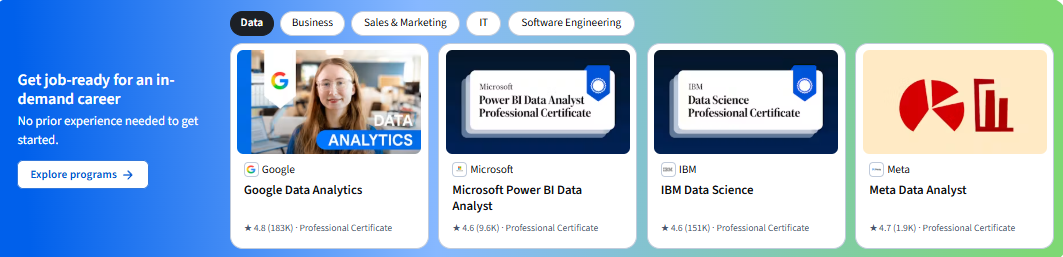
Cost plays an important role when selecting an online learning programme. Coursera offers different pricing arrangements depending on the course, certificate, or degree.
Some courses provide free access to selected learning materials, while paid enrolment may be required for graded assessments, certificates, or additional features.
Coursera Plus is a subscription option that provides access to a broad selection of eligible courses, Specializations, and Professional Certificate programmes.
This option may appeal to learners planning to complete several included programmes over a period of time.
However, not every Coursera programme is included in the subscription. Degree programmes and certain other educational offerings have separate enrolment and payment arrangements.
Financial aid may also be available for eligible courses and learners, depending on the programme and applicable requirements.
Before purchasing a course or subscription, users should review the current pricing, included features, renewal conditions, and cancellation policies.
Understanding these details helps learners select an option that fits their educational goals and budget.
How to Begin Your Learning Journey with Coursera
Starting with Coursera is easier when learners have a clear understanding of what they want to achieve.
The first step is identifying a subject or skill that matches personal interests, academic requirements, or professional objectives.
Beginners may prefer introductory courses that explain essential concepts before progressing to more specialised material.
After selecting a subject, learners should compare available programmes by reviewing their course descriptions, difficulty levels, estimated durations, and learning outcomes.
It is also useful to consider how much time can realistically be dedicated to studying each week.
Creating a simple study routine can support steady progress. Taking notes, completing assignments, reviewing difficult concepts, and practising newly acquired skills can improve the overall learning experience.
Learners should remember that completing a course is only one part of developing knowledge. Applying what has been learned through personal projects, workplace activities, or further study can make the educational experience more meaningful.