
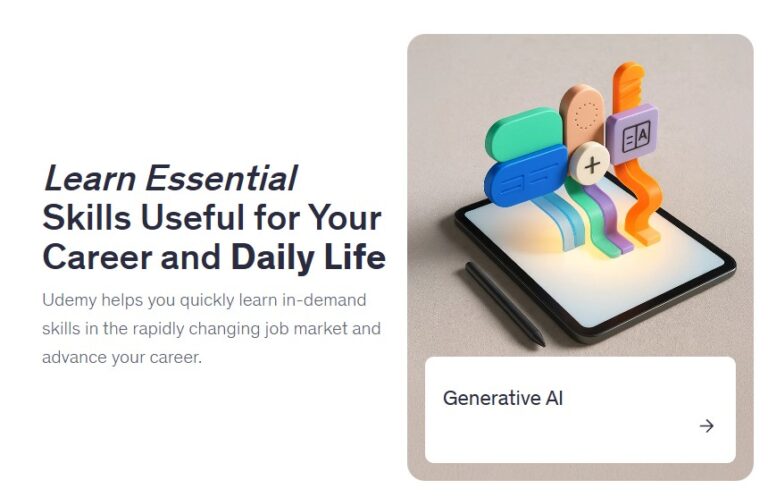
The journey of learning in a digital world
The way people learn has changed dramatically in recent years, and the digital world has opened doors that were once impossible to access. Education is no longer limited to classrooms, textbooks, or strict schedules. Today, anyone with an internet connection can explore new skills, refine their talents, and build a meaningful career from the comfort of their home. This transformation has given rise to online learning platforms that empower individuals to take control of their growth.
One of the most powerful aspects of modern learning is flexibility. You are no longer forced to learn at the pace of a classroom or follow a rigid structure. Instead, you can choose what you want to learn, when you want to learn, and how deeply you want to go into a subject. This sense of freedom makes education more personal and more effective. People can revisit lessons, pause when needed, and truly understand concepts rather than rushing through them.
Online courses also remove many traditional barriers. Distance, cost, and time constraints used to stop people from pursuing their interests or career goals. Now, those obstacles are significantly reduced. Whether someone is a student, a working professional, or even someone restarting their career, digital learning provides an accessible path forward.
Another important factor is the diversity of topics available. From technology and business to creative arts and personal development, the range of subjects is almost limitless. This allows learners to experiment, discover new passions, and build a well-rounded skill set. It also encourages curiosity, which is essential for long-term growth.
In this evolving landscape, learners are no longer passive recipients of information. They are active participants in their own journey. They choose their direction, set their goals, and measure their progress. This shift creates a stronger sense of ownership and motivation, which ultimately leads to better outcomes.
The digital world has not just changed how we learn, it has redefined what it means to grow. Learning is no longer a phase of life; it is a continuous process. And with the right tools and mindset, anyone can transform their knowledge into real-world success.
Building strong foundations through structured learning
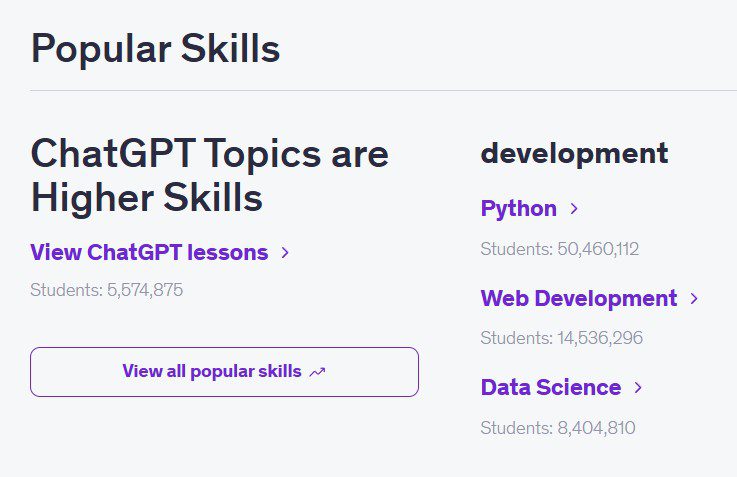
Every expert was once a beginner, and the difference between the two often lies in the strength of their foundation. Starting something new can feel overwhelming, especially when there is so much information available. Without proper guidance, it is easy to feel lost or discouraged. This is where structured learning plays a crucial role.
Structured courses provide a clear path from basic concepts to advanced skills. Instead of randomly searching for information, learners follow a well-designed journey that builds knowledge step by step. This approach ensures that nothing important is missed and that each concept is understood before moving forward.
For beginners, this structure creates confidence. It removes confusion and provides a sense of direction. Learners know what to expect and can track their progress as they move through different levels. This clarity makes the learning process smoother and more enjoyable.
Another benefit of structured learning is consistency. When lessons are organized logically, it becomes easier to develop a habit of learning. Regular practice strengthens understanding and helps retain information for a longer time. Over time, this consistency leads to mastery.
Structured courses also include practical exercises and real-world examples. These elements bridge the gap between theory and application. Instead of just learning concepts, students get to apply them in meaningful ways. This hands-on experience is essential for developing real skills that can be used in professional settings.
As learners progress, they begin to see how different concepts connect with each other. This deeper understanding allows them to think critically and solve problems more effectively. It also prepares them to handle more complex challenges as they advance.
Strong foundations are the key to long-term success. Without them, growth becomes unstable and difficult to sustain. Structured learning ensures that learners build their knowledge on solid ground, making it easier to move from beginner to expert with confidence.
Transforming skills into real world opportunities
Learning is valuable, but its true power lies in how it can be applied in real life. The ultimate goal of gaining knowledge is to create opportunities, whether that means advancing in a career, starting a business, or pursuing a passion. Turning skills into practical outcomes is what makes learning meaningful.
One of the biggest advantages of modern courses is their focus on real-world relevance. Instead of teaching outdated theories, many courses are designed to match current industry needs. This ensures that learners acquire skills that are actually in demand. As a result, they become more competitive in the job market.
Practical projects play a significant role in this transformation. When learners work on real tasks, they gain experience that goes beyond theoretical knowledge. These projects can also be added to portfolios, which are extremely valuable when applying for jobs or freelance opportunities. A strong portfolio often speaks louder than a certificate.
Another important aspect is skill specialization. In today’s world, having a general understanding is not always enough. Employers and clients look for individuals who have specific expertise. Online learning allows people to focus on niche areas and become highly skilled in those domains. This specialization increases their value and opens up better opportunities.
Networking is also an indirect benefit of learning platforms. Many courses include communities where learners can interact, share ideas, and collaborate. These connections can lead to partnerships, mentorships, and even job offers. Building a network is an essential part of professional growth.
Confidence is another key outcome of applying skills. When learners see the results of their efforts, they begin to विश्वास in their abilities. This confidence encourages them to take on bigger challenges and explore new opportunities. It also helps them present themselves more effectively in professional environments.
Transforming skills into opportunities requires effort and persistence, but the right learning approach makes the process much easier. By focusing on practical application and continuous improvement, learners can turn their knowledge into a powerful tool for success.
Creating a personalized path to mastery
Every learner is different, and there is no single path that works for everyone. Some people learn quickly, while others need more time. Some prefer visual content, while others learn better through practice. Recognizing these differences is essential for effective learning, and personalization plays a major role in achieving mastery.
One of the greatest strengths of online education is its adaptability. Learners can choose courses that match their goals, interests, and skill levels. They can focus on specific topics, skip what they already know, and spend more time on areas that need improvement. This flexibility makes learning more efficient and enjoyable.
Self-paced learning is a key component of personalization. Instead of being forced to keep up with a fixed schedule, learners can progress at their own speed. This reduces pressure and allows for deeper understanding. It also makes it easier to balance learning with other responsibilities such as work or family.
Another important factor is the ability to revisit content. Mastery requires repetition and practice. Being able to go back and review lessons helps reinforce knowledge and fill any gaps. This continuous refinement is what separates beginners from experts.
Personalization also involves setting clear goals. When learners know what they want to achieve, they can choose the right courses and stay focused. Goals provide direction and motivation, making it easier to stay committed to the learning process.
Feedback is another crucial element. Many courses include quizzes, assignments, and reviews that help learners understand their progress. This feedback allows them to identify strengths and weaknesses, making it easier to improve over time.
Creating a personalized learning path is not just about convenience, it is about effectiveness. When learning is tailored to individual needs, it becomes more meaningful and impactful. This approach helps learners move beyond basic understanding and reach a level of true mastery.
Achieving long term success through continuous growth
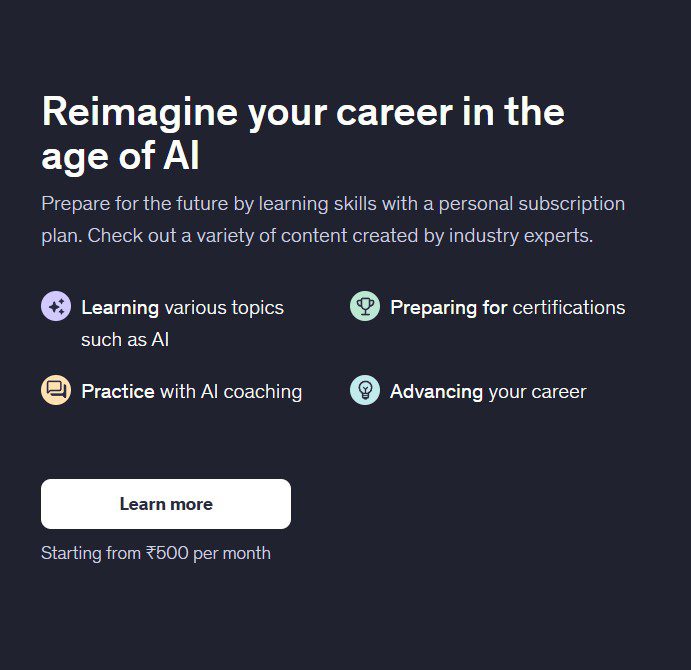
Reaching a certain level of expertise is an achievement, but true success comes from continuous growth. The world is constantly changing, and new skills are always in demand. Staying relevant requires a commitment to learning and improvement over time.
Continuous learning helps individuals adapt to new challenges. Whether it is a change in technology, industry trends, or job requirements, those who keep learning are better prepared to handle these shifts. This adaptability is a valuable asset in any career.
Another important aspect of long-term success is resilience. The journey from beginner to expert is not always smooth. There will be obstacles, mistakes, and moments of doubt. Continuous learning helps build resilience by encouraging a growth mindset. Instead of seeing challenges as failures, learners begin to view them as opportunities to improve.
Consistency plays a crucial role in sustained growth. Small, regular efforts can lead to significant progress over time. Even dedicating a few hours each week to learning can make a big difference. The key is to stay committed and keep moving forward.
Lifelong learning also opens doors to new possibilities. As individuals acquire more skills, they become capable of exploring different paths. They can switch careers, start new ventures, or take on leadership roles. This flexibility allows them to shape their future according to their aspirations.
Another benefit is personal satisfaction. Learning is not just about professional success; it also contributes to personal fulfillment. Gaining new knowledge, solving problems, and achieving goals create a sense of accomplishment that enhances overall well-being.
In the end, the journey of learning is never truly complete. There is always something new to discover, improve, or master. By embracing continuous growth, individuals can achieve not only their professional dreams but also a deeper sense of purpose and confidence in their abilities.
The path from beginner to expert is not defined by speed but by dedication, curiosity, and persistence. With the right approach and mindset, anyone can transform their potential into reality and build a future filled with success and opportunity.