
Traveling across Europe by train is one of the most memorable and rewarding ways to experience the continent. From snow-capped Alpine peaks and rolling Tuscan hills to charming medieval towns and vibrant capital cities, Europe’s rail network connects destinations with efficiency, comfort, and breathtaking scenery. Whether you are planning your first European adventure or returning to explore new regions, understanding how to navigate the rail system can transform your journey into a seamless and unforgettable experience. In this complete guide, we will explore how Rail Europe helps travelers book European train tickets online, examine a detailed Rail Europe review, and explain how to make the most of your European rail experience.
When planning a European train trip, one of the biggest challenges is navigating different national railway systems, languages, currencies, and booking platforms. Each country has its own rail operator, pricing structure, and ticketing rules. Rail Europe simplifies this complexity by offering a single platform where travelers can search routes, compare fares, and book European train tickets online with ease.
Rail Europe partners with major European rail operators such as SNCF in France, Trenitalia in Italy, Renfe in Spain, Deutsche Bahn in Germany, and many others. Instead of visiting multiple websites to compare schedules and prices, travelers can access consolidated options in one place. This is particularly helpful for multi-country itineraries, such as traveling from Paris to Geneva, then on to Milan and Rome.
Another major advantage is language accessibility. Many national rail websites may not be fully translated into English or may require local payment methods. Rail Europe caters specifically to international travelers, offering English-language support and widely accepted payment options. This makes the booking process far less intimidating, especially for first-time visitors to Europe.
In addition to point-to-point tickets, Rail Europe also provides rail passes that allow unlimited or flexible travel within specific countries or across multiple countries. For example, travelers planning extensive exploration across France, Switzerland, and Italy might find a rail pass more economical and convenient than purchasing separate tickets for each leg.
Customer support is another key benefit often highlighted in a Rail Europe review. When dealing with complex itineraries or last-minute changes, having accessible support can make a significant difference. Rail Europe offers customer service assistance, which can be especially valuable if you encounter delays, cancellations, or need help understanding ticket conditions.
Overall, Rail Europe acts as a bridge between international travelers and Europe’s intricate rail network. By allowing you to book European train tickets online through one user-friendly platform, it reduces stress and increases confidence in your travel plans.
How to Use Rail Europe Train Tickets for High Speed, Scenic, and Regional Routes Across Europe
Europe’s rail network offers a diverse range of train types, each catering to different travel needs and budgets. Understanding these categories can help you choose the right Rail Europe train tickets for your journey.
High-speed trains are the fastest and most efficient way to travel between major cities. Services such as the French TGV, Italian Frecciarossa, Spanish AVE, and German ICE can reach speeds of up to 300 kilometers per hour. These trains significantly reduce travel time, making it possible to travel from Paris to Lyon in about two hours or from Rome to Milan in under three hours. When booking European train tickets online through Rail Europe, you can easily compare departure times, travel durations, and ticket classes for high-speed routes.
Scenic trains offer a completely different experience. Routes such as the Glacier Express in Switzerland or the Bernina Express provide panoramic views of mountains, valleys, and alpine lakes. While these trains may be slower, they are designed to showcase Europe’s natural beauty. Travelers often reserve seats in advance for these popular routes, and Rail Europe train tickets make it possible to secure these experiences from abroad.
Regional trains connect smaller towns and rural areas, offering flexibility and affordability. These trains typically do not require seat reservations and are ideal for spontaneous day trips. For example, while exploring Tuscany, you might take regional trains from Florence to Pisa, Siena, or Lucca. Rail Europe allows you to view both regional and high-speed options so you can balance cost and convenience.
When booking, pay attention to ticket types. Many high-speed trains offer multiple fare categories, including non-refundable discounted tickets and flexible tickets that allow changes. Reading the fare conditions carefully is important to avoid unexpected fees. A thorough Rail Europe review often emphasizes checking cancellation policies and seat reservation requirements before confirming your purchase.
Classes of service also vary. First class typically offers wider seats, quieter carriages, and sometimes complimentary refreshments. Second class remains comfortable and is usually sufficient for most travelers. Choosing between them depends on your budget and preference for extra comfort.
By understanding the different types of trains and ticket options, you can use Rail Europe train tickets to design an itinerary that combines speed, scenery, and cultural immersion.
A comprehensive Rail Europe review considers several factors, including pricing transparency, ease of use, reliability, and customer experience. One of the most frequently discussed aspects is pricing. While Rail Europe may sometimes include small service fees compared to booking directly with national rail operators, many travelers find the convenience worth the difference. Being able to book European train tickets online for multiple countries in one transaction can save significant time and effort.
Pricing in Europe’s rail system often follows dynamic models similar to airlines. The earlier you book, especially for high-speed trains, the lower the price tends to be. Rail Europe allows you to see available fares and compare departure times, which helps in selecting cost-effective options. For popular routes such as Paris to London or Rome to Venice, booking several weeks in advance can result in substantial savings.
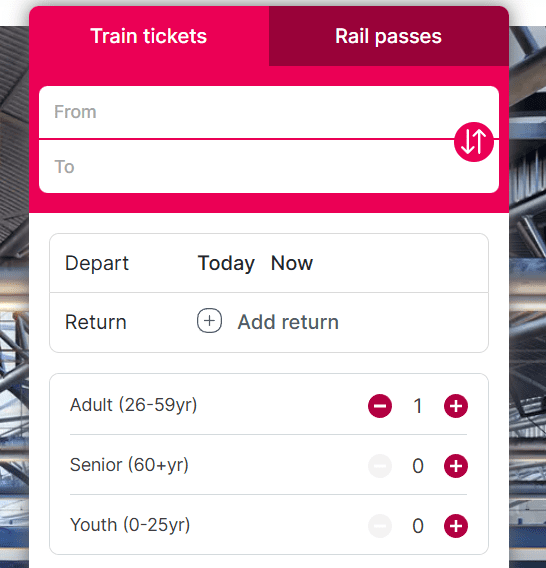
In terms of usability, Rail Europe’s interface is generally intuitive. You can enter your departure and arrival cities, select travel dates, and filter by travel time or price. The platform also displays journey duration, number of transfers, and train type, making comparison straightforward.
Customer support is another factor often mentioned in a Rail Europe review. International travelers may face challenges such as missed connections due to flight delays or confusion over seat reservations. Having access to customer service in English can provide reassurance. However, as with any large travel platform, experiences may vary. It is always advisable to keep digital copies of your tickets and familiarize yourself with local station information.
Digital ticketing has made train travel even more convenient. Many Rail Europe train tickets are issued as electronic tickets that can be displayed on your smartphone. This eliminates the need to collect physical tickets at stations, which can be stressful in a foreign country.
Value for money ultimately depends on your travel style. For travelers visiting multiple countries in a short period, the time saved by using one booking platform often outweighs any minor price difference. For those focusing on a single country and comfortable navigating local websites, direct booking might occasionally offer marginally lower fares. Nonetheless, Rail Europe remains a popular and reliable option for booking European train tickets online.
One of the greatest advantages of European train travel is the ability to cross borders effortlessly. With careful planning and the right Rail Europe train tickets, you can create a multi-country itinerary that combines iconic cities and hidden gems.
Consider a classic Western Europe route. You might begin in Paris, exploring its museums and historic neighborhoods. From there, a high-speed train takes you to Brussels for Belgian chocolate and medieval squares. Continue to Amsterdam for its canals and art galleries, then travel to Berlin to experience its dynamic culture and history. Using Rail Europe to book European train tickets online makes coordinating such cross-border journeys straightforward.
Southern Europe offers another captivating itinerary. Start in Barcelona, travel to Madrid, then cross into France for a stop in Marseille before continuing to Milan and Florence in Italy. Each leg can be booked in advance, ensuring seat reservations on busy routes.
For travelers who prefer flexibility, rail passes available through Rail Europe may be a better option. A global pass covering multiple countries allows you to travel on several days within a set period. This is ideal for those who want spontaneous day trips without fixed schedules. However, some high-speed trains still require seat reservations even with a pass, so planning ahead remains important.
Accommodation planning should align with your train schedule. Many European train stations are centrally located, reducing the need for long transfers. Arriving in the heart of a city means you can walk or take short public transport rides to your hotel.
Traveling by train also promotes cultural immersion. Unlike flying, where airports are often located far outside city centers, trains connect you directly to urban life. You can observe changing landscapes, interact with local passengers, and experience a slower, more authentic rhythm of travel.
By using Rail Europe strategically, you can design an itinerary that balances structure and spontaneity, ensuring that each destination contributes to a rich and diverse European adventure.
To ensure a smooth journey, start by booking early, especially for high-demand routes and peak travel seasons such as summer and major holidays. Early booking increases your chances of securing lower fares and preferred departure times.
Always verify station names. Many European cities have multiple stations, and selecting the correct one prevents confusion. For example, Paris has several major stations serving different regions. Double-checking departure and arrival stations when booking Rail Europe train tickets is essential.
Arrive at the station at least twenty to thirty minutes before departure. While European train stations typically do not require extensive security checks like airports, platforms can be large and busy. Allowing extra time ensures you can locate your platform and carriage calmly.
Keep your ticket accessible at all times. Conductors frequently check tickets during the journey. Digital tickets stored on your smartphone are convenient, but ensure your device is charged.
Pack light whenever possible. Although trains offer more generous luggage allowances than airlines, navigating crowded platforms and carriages is easier with manageable baggage.
Finally, embrace the journey itself. Train travel in Europe is not merely transportation but part of the adventure. Watching vineyards pass by in France, alpine peaks in Switzerland, or coastal cliffs in Italy adds depth to your experience.
In conclusion, exploring Europe by train offers a unique combination of efficiency, comfort, and scenic beauty. Rail Europe simplifies the process by allowing travelers to book European train tickets online through a single platform, making multi-country itineraries accessible and stress-free. By understanding ticket options, planning strategically, and embracing the flexibility of rail travel, you can transform your European trip into an unforgettable journey across cultures, landscapes, and historic cities.