
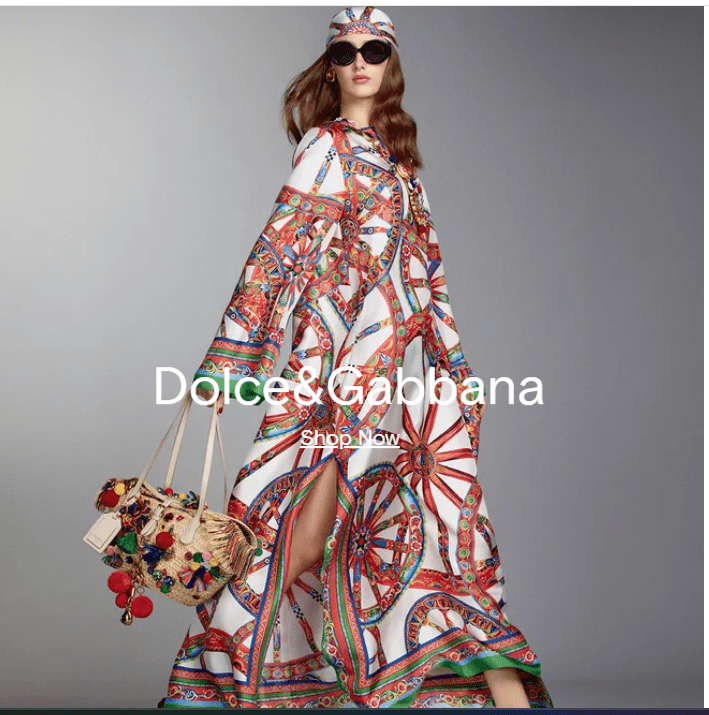
Farfetch – A Digital Destination for High-End Fashion
Farfetch represents a modern structure of luxury retail where global fashion inventory is accessible through a single digital platform. It connects customers with a wide network of boutiques and designer brands, creating a unified marketplace for premium fashion. This model allows users to explore collections that originate from different regions without geographical limitations.
The platform organizes products into clear categories, making navigation efficient. Listings include detailed specifications such as fabric, fit, origin, and styling context. This structured presentation ensures that users can evaluate products thoroughly before making a purchase. High-resolution visuals and multi-angle images further support informed decision-making.
Farfetch maintains consistency by standardizing the presentation of products across its network. This creates a uniform browsing experience despite the diversity of suppliers and brands.
Designer Apparel and Category Segmentation
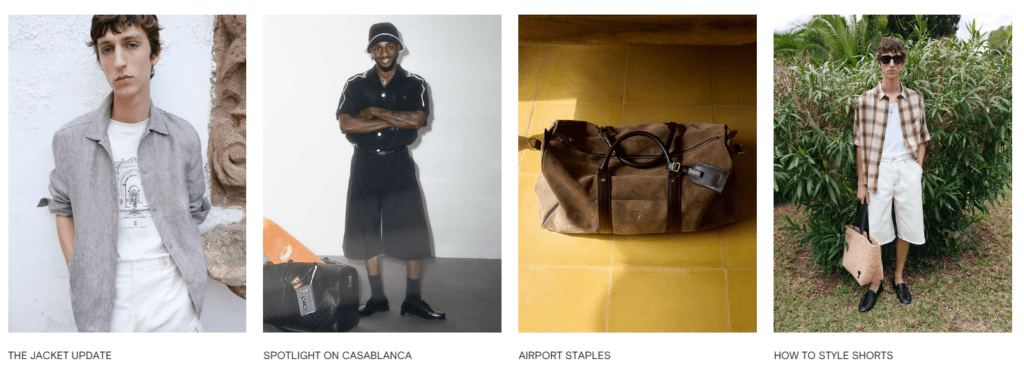
The apparel section on Farfetch is divided into multiple categories that reflect different fashion needs. These include casual wear, formal wear, seasonal collections, and statement pieces. Each category is further segmented to help users locate specific items such as jackets, dresses, shirts, or knitwear.
Seasonal collections play a key role in the platform’s structure. New arrivals align with global fashion cycles, ensuring that users have access to current designs. This includes both ready-to-wear collections and limited-edition releases.
The segmentation also supports filtering by attributes such as color, material, and silhouette. This level of categorization reduces search time and improves overall efficiency in product discovery.
Footwear Collections and Accessory Range
Footwear is presented as a distinct category with sub-sections for sneakers, formal shoes, boots, and casual styles. The structure allows users to compare different types of footwear within the same browsing session.
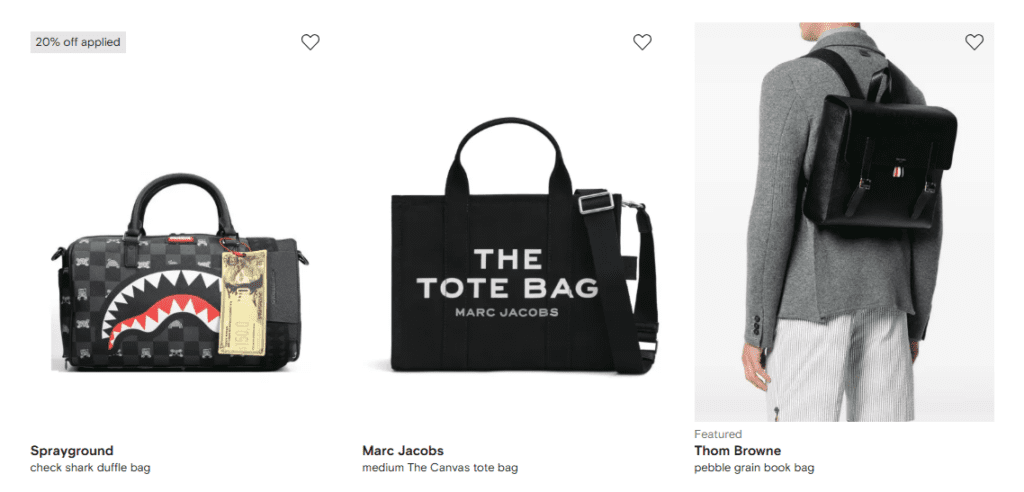
Accessories complement the apparel and footwear sections. These include handbags, belts, eyewear, and jewelry. Each accessory category is organized to align with different usage contexts, such as daily wear or formal occasions.
Product listings within these categories include size guides and material details, ensuring compatibility with user preferences. The integration of footwear and accessories with apparel supports complete outfit planning within a single platform.
Global Boutique Network and Brand Diversity
Farfetch operates through a distributed network of boutiques and designer labels. This structure enables the platform to offer a diverse inventory that spans multiple regions and fashion traditions.
Boutiques contribute unique selections that may not be widely available in standard retail channels. This results in a broader range of products, including niche and emerging designer collections.
The integration of multiple suppliers into a centralized system ensures accessibility while maintaining diversity. Users can browse products from different regions without needing to access separate platforms.
This model also supports the visibility of independent boutiques, allowing them to reach a global customer base.
Digital Interface and Product Navigation
The interface of Farfetch is designed to support structured browsing. Navigation menus categorize products into logical groups, while filters refine search results based on user input.
Sorting options include price range, popularity, and new arrivals. These tools allow users to prioritize results according to their preferences. The search function further enhances usability by enabling direct access to specific products or brands.
Each product page includes a consistent layout with images, descriptions, and purchase options. This uniformity simplifies the user experience and reduces complexity during navigation.
Mobile compatibility ensures that the same functionality is available across devices, maintaining consistency in user interaction.
Shopping Structure and Transaction Process
The transaction process on Farfetch follows a standardized sequence. Users select products, review details, and proceed to checkout using secure payment methods. The platform supports multiple currencies and payment options, accommodating international users.
Shipping services are integrated into the system, with delivery timelines and costs displayed during checkout. This transparency helps users plan purchases effectively.
Order tracking and account management features allow users to monitor their purchases. Notifications provide updates on order status, ensuring clarity throughout the transaction process.
The structured approach to transactions ensures reliability and consistency across different regions.
Market Position and Digital Fashion Evolution
Farfetch operates within the broader context of digital transformation in luxury retail. The platform reflects a shift toward online marketplaces that aggregate global inventory into a single interface.
Technology plays a central role in this evolution. Features such as personalized recommendations and data-driven product suggestions are becoming more prominent. These tools enhance product discovery and align offerings with user preferences.
Sustainability and circular fashion are also emerging trends within the platform’s ecosystem. Pre-owned luxury items and responsible sourcing initiatives are gradually being incorporated into the marketplace.
Farfetch’s structure positions it within a dynamic environment where digital innovation continues to influence consumer behavior and retail models.